

Planning a trip and visiting Olympic National Park for the first time can feel surprisingly overwhelming. Unlike many national parks that have one main scenic road and a centralized visitor area, Olympic is spread across a huge section of Washington’s Olympic Peninsula, with multiple completely separate regions connected by long drives around Highway 101.
But that’s also what makes Olympic National Park so incredible.
In a single trip, you can experience rugged Pacific beaches scattered with enormous driftwood logs, lush temperate rainforests draped in moss, alpine mountain views from Hurricane Ridge, crystal-clear lakes, waterfalls, and dense old-growth forests. Few national parks in the United States offer this much variety in one destination.
The challenge is figuring out how to put it all together efficiently.
Because the park is so spread out, timing and logistics matter a lot more here than in many other national parks. Drive times can be longer than people expect, parking areas can fill early, and some of the park’s most famous areas may temporarily close access when lots are full.
This guide will help you understand:
✔️ How Olympic National Park is laid out
✔️ The best things to do in Olympic National Park
✔️ Key Olympic National Park planning tips
✔️ Where to stay near Olympic National Park
✔️ How to organize your itinerary efficiently as a first-time visitor
By the end, you’ll have a much clearer understanding of how the park works and how to plan a trip that lets you experience the best of Olympic National Park without feeling overwhelmed.
Watch my overview of Olympic National Park on video:

🔔 You can also watch this video on YouTube directly (opens in new tab).
🎙️ Or listen as a podcast:
🛏️TOP HOTEL PICK in PORT ANGELES: Check availability now
🛏️TOP HOTEL PICK in FORKS: Check availability now
🚘FIND THE CHEAPEST CAR RENTAL: Search Discover Cars for the best deals
✈️FIND THE CHEAPEST FLIGHTS: Search Skyscanner for the best deals
🧳GET TRAVEL INSURANCE: Get insured with Travelex before you go
📱TAKE AN AUDIO TOUR: Buy an audio tour now
Table of Contents
Why Olympic National Park Is So Unique
Olympic National Park is one of the most diverse national parks in the United States. What makes visiting Olympic National Park so different from many other parks is that it combines multiple completely different ecosystems into one enormous protected area.
Instead of one central scenic area, Olympic is made up of several distinct regions spread across the Olympic Peninsula. That means you can go from alpine mountain views to moss-covered rainforest to rugged Pacific coastline all in the same trip.
For many first-time visitors, understanding the park layout is the key to planning a successful trip.
The Four Ecosystems
Olympic National Park contains four major ecosystems, and each one feels completely different from the others.
Mountains
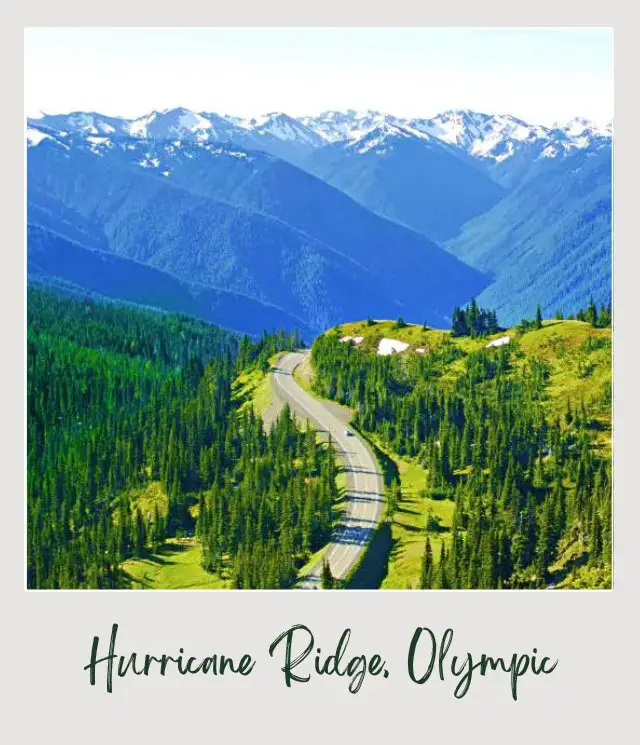
The alpine mountain region is centered around Hurricane Ridge, one of the most popular areas in the park. Here, you’ll find sweeping mountain views, wildflower meadows, scenic drives, and hiking trails with views stretching across the Olympic Mountains and, on clear days, even into Canada.
➡️ Read my Guide to Visiting Hurricane Ridge for more details
This is one of the best places in the park for panoramic scenery and accessible mountain hiking.
➡️ Read my favorite hikes in Hurricane Ridge for hike ideas
Temperate Rainforest
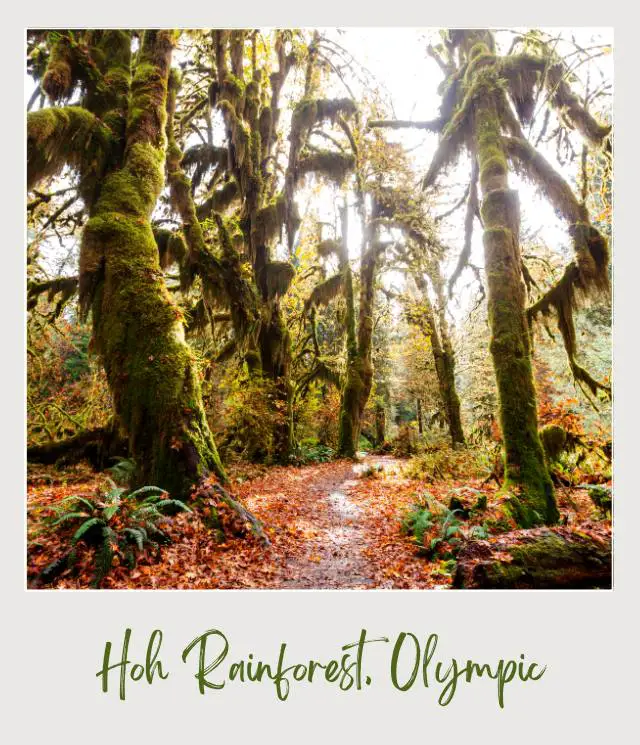
Olympic is home to some of the best temperate rainforest in the world, especially in the Hoh Rainforest and Quinault Rainforest areas.
These forests are incredibly lush, with giant moss-covered trees, enormous ferns, dense undergrowth, and the iconic bigleaf maples draped in green moss that Olympic is famous for. The rainforest areas feel almost prehistoric and are unlike most landscapes in the United States.
➡️ Read the best hikes in Hoh Rainforest
➡️ Read the best Lake Quinault hikes
Lakes, Rivers, and Forests
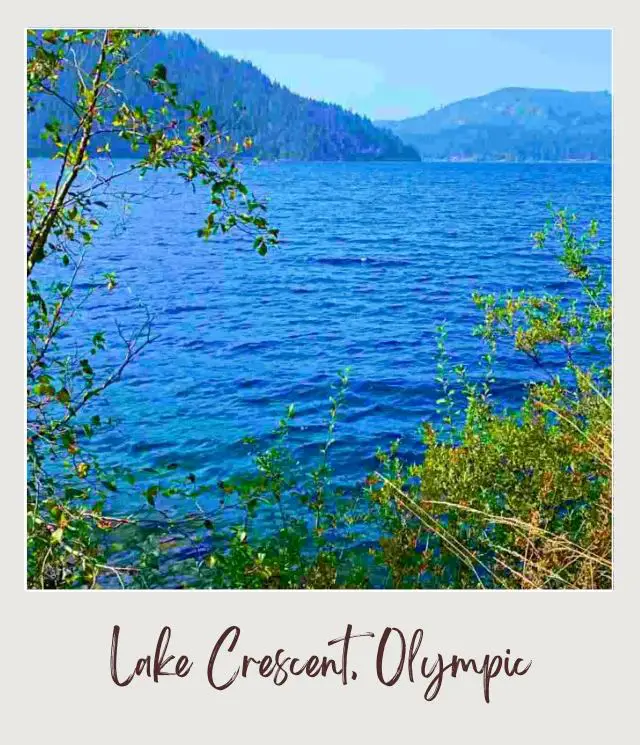
Olympic also has beautiful lowland forest areas with lakes, rivers, waterfalls, and quieter hiking trails.
➡️ Read the best hikes near Lake Crescent
Lake Crescent is one of the highlights, with crystal-clear blue water surrounded by forested mountains. This region is also home to waterfalls like Marymere Falls and Madison Falls, along with opportunities for kayaking, canoeing, and scenic lakeside hiking.
Pacific Beaches
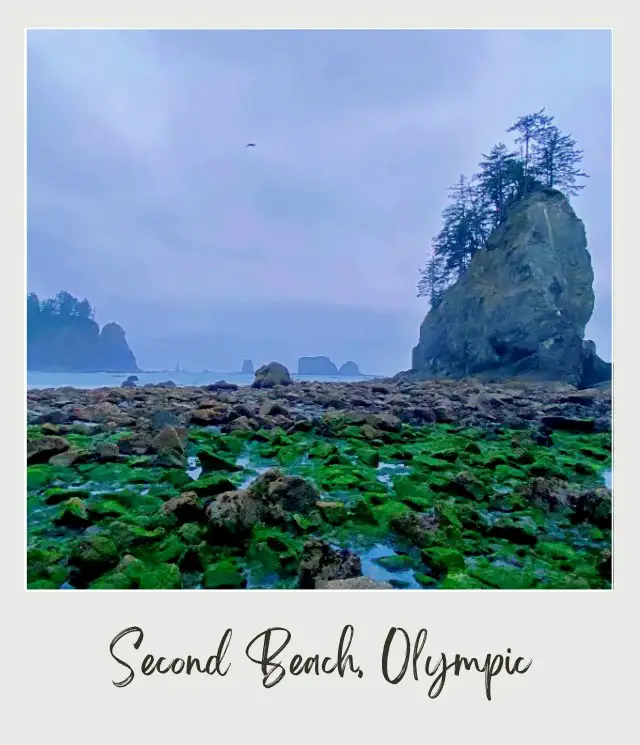
The Olympic National Park beaches are some of the most dramatic and unique beaches in the country.
These are not tropical beaches designed for swimming and sunbathing. Instead, you’ll find rugged coastlines with giant driftwood logs, offshore sea stacks, tide pools, and misty coastal scenery.
➡️ Read the best beaches in and around Olympic National Park
Tide pooling is one of the most popular activities along the coast, especially during low tide when sea stars, anemones, and hermit crabs become visible in the rocky pools.
➡️ Read the best Olympic National Park tidepools
Understanding the Park Layout

One of the biggest mistakes first-time visitors make is underestimating how large and spread out Olympic National Park really is.
There are no roads that cut directly through the center of the park. Instead, Highway 101 loops around the Olympic Peninsula, and individual park areas are accessed by separate roads branching off from the highway.
This means:
⚠️ Drive times are longer than many visitors expect
⚠️ Attractions are spread far apart
⚠️ You need to think strategically about where to stay
⚠️ Daily route planning matters a lot
About 95% of Olympic National Park is designated wilderness, which is part of what makes the park feel so wild and untouched.
The major regions most visitors focus on include:
🔹 Hurricane Ridge
🔹 Lake Crescent
🔹 Sol Duc
🔹 Hoh Rainforest
🔹 Rialto Beach and La Push/ Mora beaches
🔹 Kalaloch and Ruby Beach
🔹 Lake Quinault
Because these areas are disconnected, Olympic rewards travelers who plan carefully and organize their days efficiently. A well-planned itinerary can help you avoid excessive driving, crowded parking lots, and unnecessary backtracking while still seeing the park’s most iconic highlights.
Best Things to Do in Olympic National Park
One of the best things about visiting Olympic National Park is the sheer variety of experiences packed into one trip. You can hike in the mountains in the morning, explore a rainforest in the afternoon, and watch sunset on a rugged Pacific beach the same day.
Because the park is so large, most visitors need to prioritize a handful of key regions rather than trying to see everything at once. These are some of the highlights that deserve a place on almost every Olympic National Park itinerary.
I’ve written a guide to the 21 best things to do in Olympic National Park, but here are the highlights:
Visit Hurricane Ridge
Hurricane Ridge is the main mountain destination in Olympic National Park and one of the park’s most popular areas.
Located near Port Angeles, this alpine region offers some of the best panoramic views in the park, with sweeping vistas across the Olympic Mountains and, on clear days, views extending all the way to Canada.
The drive itself is scenic, climbing from lowland forest into subalpine meadows and mountain viewpoints.
My favorite hike here is the Hurricane Hill Trail. It’s relatively short at about 1.5 miles round trip, mostly paved, and accessible for many visitors. Despite being short, it delivers incredible mountain views throughout the hike.
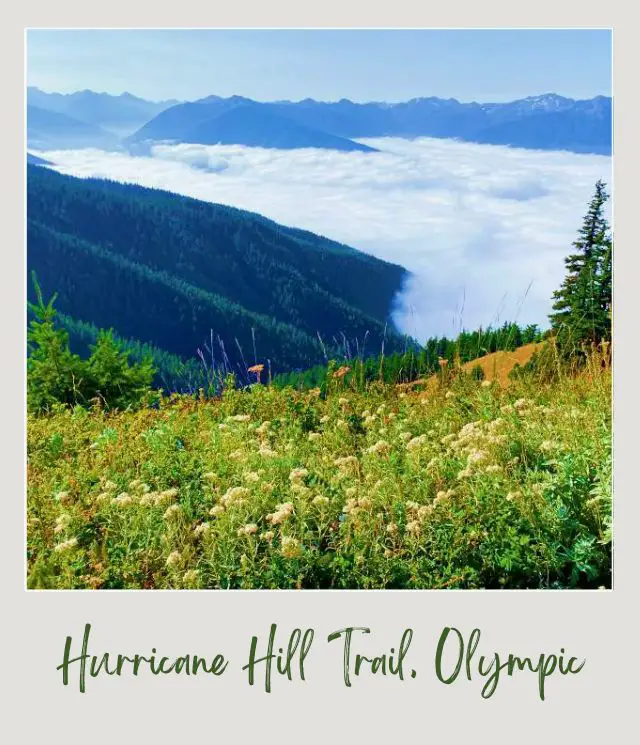
The trail passes through wildflower meadows and has panoramic ridge views. It’s manageable for many fitness levels and can even work for some strollers, though parts are steep.
Because Hurricane Ridge parking fills quickly, especially during summer weekends and holidays, arriving early is extremely important.
It’s also worth noting that the Hurricane Ridge Day Lodge burned down in 2023, so there are currently no food, fuel, or gift shop services at the ridge itself.
Explore the Hoh Rainforest
The Hoh Rainforest is the most famous rainforest area in Olympic National Park and one of the park’s most iconic landscapes.
The rainforest feels almost unreal, with giant moss-draped trees, lush undergrowth, enormous ferns, and dense forest scenery in every direction.
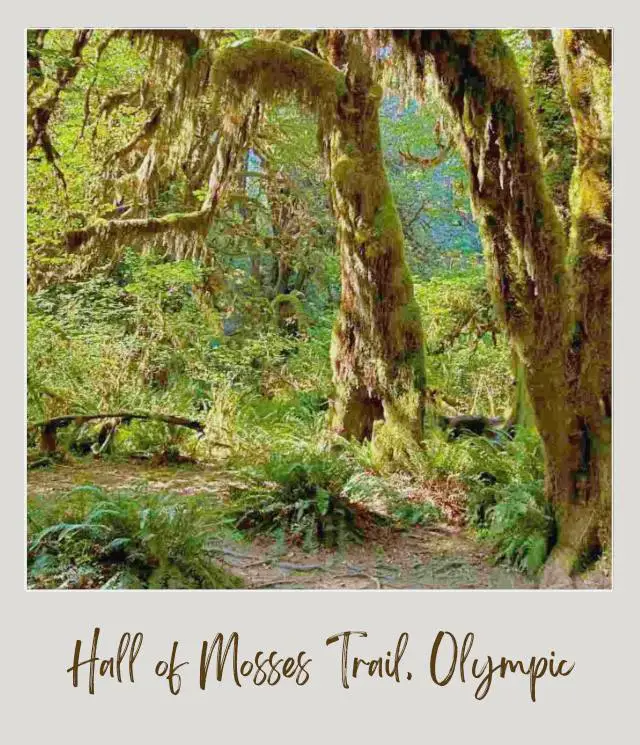
This is one of the best places in the United States to experience a temperate rainforest ecosystem.
Popular activities in the Hoh Rainforest include short nature trails like the Hall of Mosses and longer forest walks like the Hoh River Trail. It’s a great place for photography and wildlife spotting (Roosevelt Elk are commonly sighted).
The Hoh Rainforest is also one of the most popular areas in the park, which means entrance lines and parking delays can become significant during peak season.
The road into the Hoh Rainforest is also known for occasional washouts after flooding, so checking current conditions before your trip is important.
Visit the Olympic National Park Beaches
The Olympic coastline is completely different from the beaches many travelers expect.
Instead of white sand and palm trees, you’ll find rugged coastal scenery with massive driftwood logs, sea stacks rising offshore, tide pools, and dramatic Pacific landscapes.
These beaches are some of the most photogenic and memorable parts of Olympic National Park.
Rialto Beach
Rialto Beach is one of the easiest and most accessible beaches to visit.
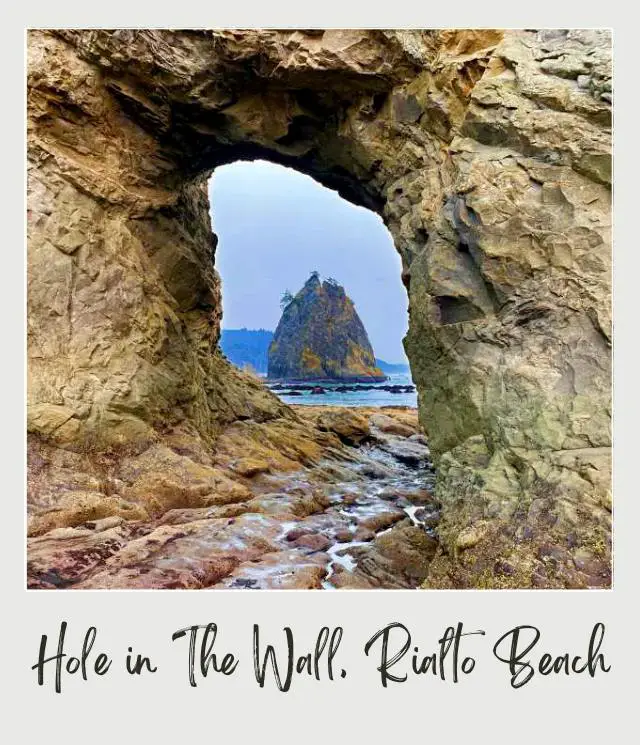
Located near La Push, it’s famous for the Hole in The Wall – a natural arch at the edge of the beach – as well as huge driftwood logs, dramatic sea stacks, powerful surf, and moody coastal scenery (you won’t go swimming or sunbathing here!)
It’s a great option for first-time visitors who want an easy introduction to Olympic’s coastline.
➡️ Read my guide to the Hole in The Wall hike.
Second Beach
Second Beach is often considered one of the most beautiful beaches in Olympic National Park.
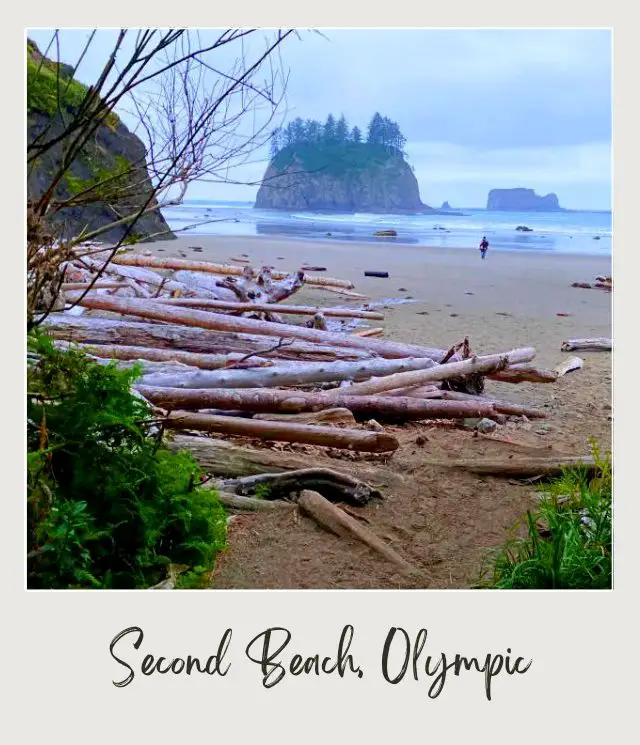
Reaching the beach requires a short hike through the forest followed by scrambling over driftwood logs near the shoreline, but the scenery is worth the effort.
The offshore sea stacks here are spectacular, especially around sunset.
➡️ Read my guide to Second Beach for more details.
Ruby Beach
Ruby Beach is another iconic Olympic National Park beach known for sea stacks, driftwood and tide pools. It has pretty easy access and excellent photography opportunities.
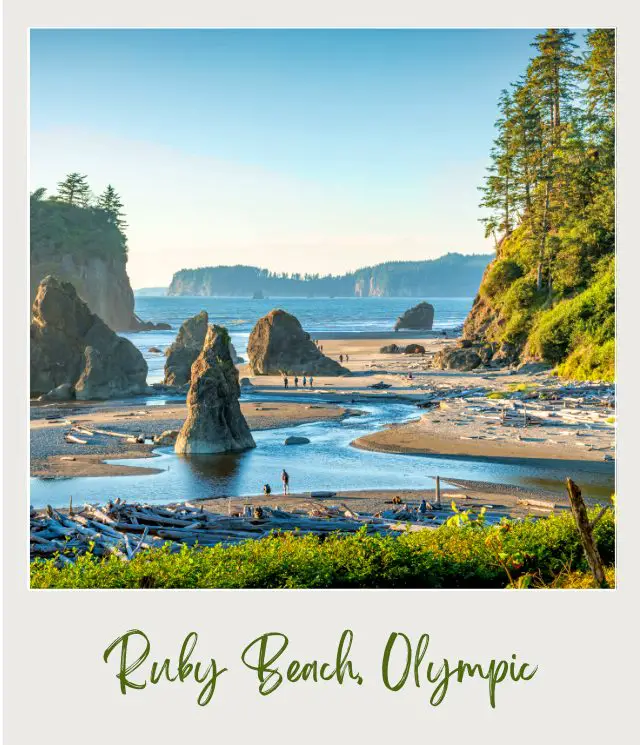
This is one of the best all-around beach stops for first-time visitors.
Kalaloch Beach & Tree of Life
The Kalaloch area is home to several beach access points, including the famous Tree of Life — a tree suspended dramatically over an eroding ravine.
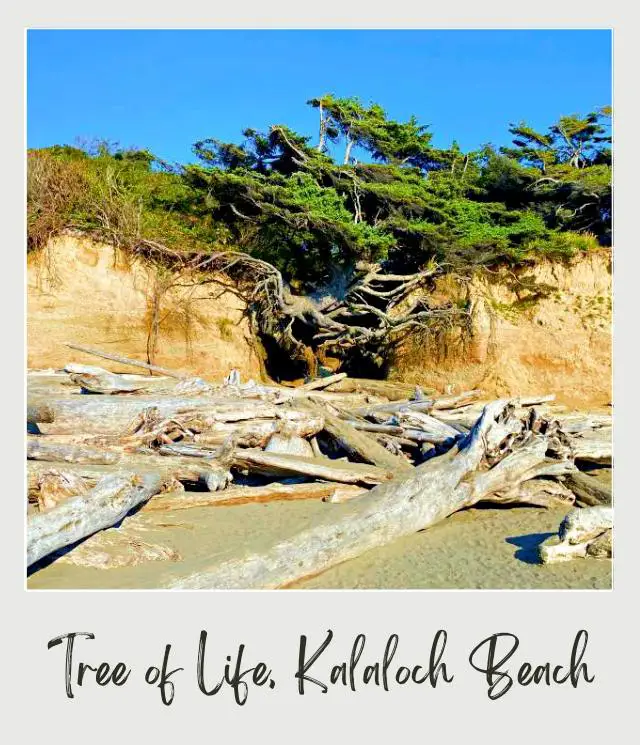
Nearby Beach 4 is – in my opinion – the best tide pooling location in Olympic National Park. During low tide, you may see sea stars, green anemones, hermit crabs and other marine life.
Because tides completely change beach accessibility, always check a tide chart before visiting the coast.
See Olympic’s Waterfalls
Olympic National Park has several beautiful waterfalls that are relatively easy to access and fit well into most itineraries.
I’ve written a whole guide to the best waterfalls in Olympic National Park & Forest, but here are the highlights:
Sol Duc Falls
Sol Duc Falls is probably the park’s most famous waterfall.
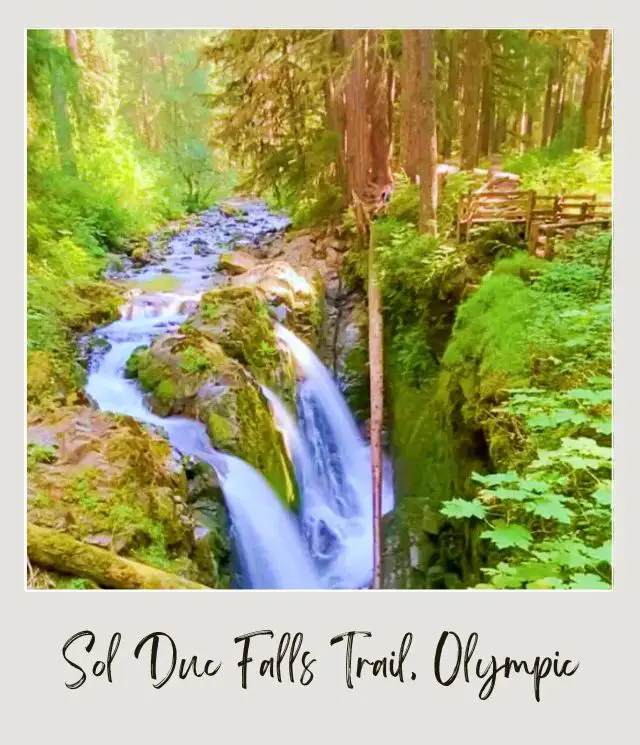
The waterfall cascades dramatically through a narrow gorge and is reached via a scenic forest hike. It’s one of the park’s most photographed spots and a favorite for many visitors.
Marymere Falls
Near Lake Crescent, Marymere Falls is another popular hike.
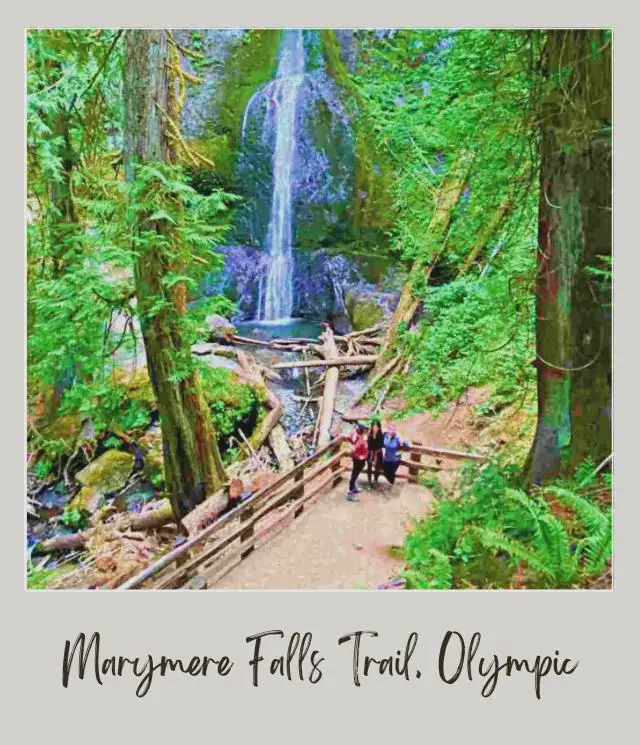
The waterfall itself drops into a beautiful forested setting surrounded by moss-covered trees and lush vegetation.
The hike is relatively short and works well for many visitors.
Madison Falls
Madison Falls is one of the easiest waterfalls to visit in the park because it’s very accessible from the parking area.
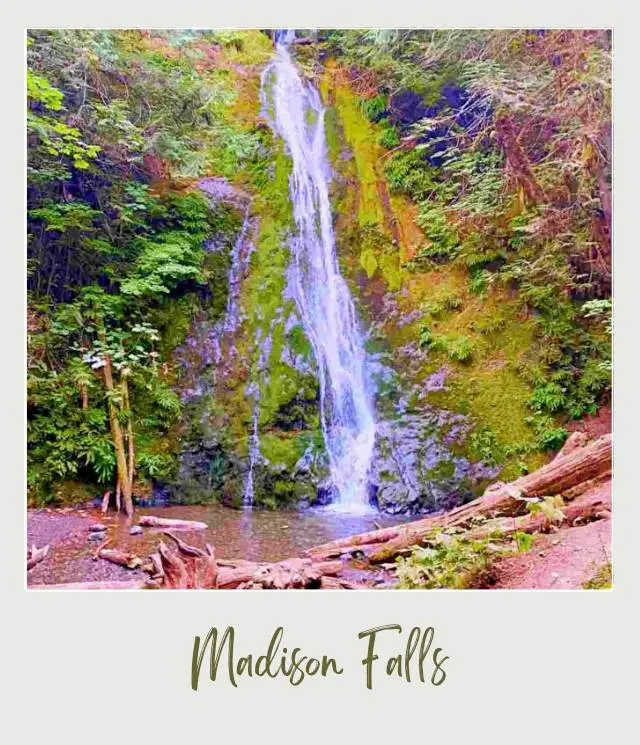
Although smaller than some of Olympic’s other waterfalls, it’s a worthwhile quick stop, especially if you’re exploring the Elwha Valley area.
Explore Lake Crescent
Lake Crescent is one of the most scenic areas in Olympic National Park and a great place to slow down between hikes and long drives.
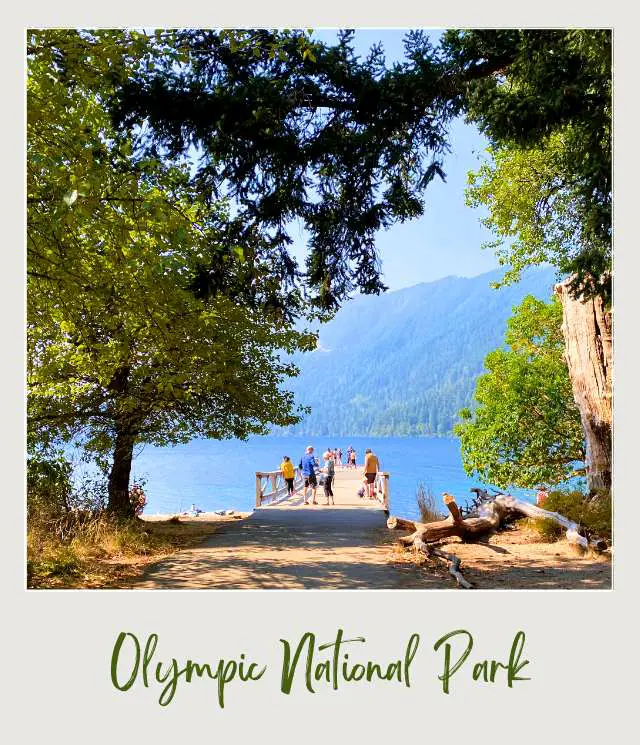
The lake is famous for its incredibly clear blue water and mountain backdrop.
Popular activities here include hiking, kayaking, cycling, canoeing, swimming and relaxing by the shoreline.
The Lake Crescent area also serves as a convenient base for exploring nearby attractions like Marymere Falls and Sol Duc.
There are facilities, lodging, and campgrounds nearby, making this one of the easiest areas in the park to incorporate into a multi-day itinerary.
Olympic National Park Planning Tips
Olympic National Park is one of the most rewarding national parks to visit, but it’s also one of the easiest to underestimate when it comes to logistics.
➡️ I recommend reading my tips for visiting Olympic National Park and 7 mistakes to avoid when planning a trip to Olympic National Park, but here are the highlights.
Because the park is spread across multiple disconnected regions, planning ahead can make a huge difference in how much you’re able to see and how stressful your trip feels.
These Olympic National Park planning tips will help you avoid some of the most common mistakes first-time visitors make.
Start Early to Avoid Crowds
Several of Olympic National Park’s most popular areas have limited parking, and once those lots fill, the National Park Service may temporarily close entrance access until space opens again.
This is especially common at Hurricane Ridge, Hoh Rainforest and Sol Duc.
During summer weekends and holidays, entrance wait times can become extremely long if you arrive late in the morning.
Starting early helps you avoid long entrance lines and find parking more easily. You’ll also get to experience trails with fewer crowds and maximize your sightseeing time.
In Olympic National Park, timing matters more than many visitors expect.
Understand Drive Times
One of the biggest planning mistakes visitors make is assuming attractions are closer together than they really are.
Olympic National Park covers a huge area, and because there are no roads crossing directly through the park, you often need to drive long distances around Highway 101 to move between regions.
Even attractions that look close on a map can take much longer to reach than expected.
This is why daily route planning is important. Staying in multiple locations often makes sense because trying to see too much in one day can become exhausting.
A realistic itinerary will help you spend more time enjoying the park and less time driving.
Check Road Conditions Before Your Trip
Road conditions can change quickly in Olympic National Park, especially during periods of heavy rain or winter weather.
One of the most common issues affects the Hoh Rainforest Road, which occasionally experiences washouts because it runs close to the Hoh River.
Sections of road can sometimes close for extended periods after flooding.
⚠️ Before your trip, always check current road conditions, seasonal closures, weather forecasts and trail updates.
This is especially important if you’re visiting outside peak summer season.
Always Bring a Tide Chart
A tide chart is one of the most important things you can have when visiting Olympic National Park’s beaches.
Many of the park’s best coastal experiences depend on low tide, including tide pooling, but even walking on the beach. At high tide, many beaches become much smaller (and even disappear completely underwater) .
Checking tide times ahead of time helps you plan beach visits more effectively so you can see marine life at the best time and avoid unsafe coastal conditions while maximizing your time on the beaches.
If tide pooling is high on your priority list, building your itinerary around low tide times is absolutely worth it.
Where to Stay Near Olympic National Park
Choosing where to stay is one of the most important parts of planning a trip and visiting Olympic National Park efficiently.
➡️ See my list of places to stay near Olympic National Park for suggestions.
Because the park is so large and spread out, staying in just one location for your entire trip often leads to long driving days and wasted time in the car.
For most visitors, splitting your stay between two areas works much better and makes it easier to explore the park without constantly backtracking.
Best Areas to Base Yourself
The best place to stay depends on which regions of Olympic National Park you plan to visit and how many days you have available.
Port Angeles
Port Angeles is one of the most convenient gateway towns for exploring the northern part of Olympic National Park.
It’s the best base for visiting Hurricane Ridge, Lake Crescent, Elwha Valley, and Sol Duc.
Port Angeles also has everything you need including restaurants, grocery stores, gas stations and hotels. The main national park Visitor Center is also in Port Angeles.
For many first-time visitors, this is the easiest and most practical starting point.
Forks
Forks is the best base for exploring the western side of Olympic National Park.
While Forks is smaller and more limited than Port Angeles, it dramatically reduces drive times for many of the park’s coastal and rainforest attractions.
Staying here gives you easier access to Hoh Rainforest, Rialto Beach and the La Push beaches (First Beach, Second Beach and Third Beach).
Lake Crescent
Staying near Lake Crescent can be a great option if you want a quieter, more scenic setting inside the park itself.

This area works especially well for visitors focusing on lake activities and scenic relaxation and to visit Marymere Falls and Sol Duc.
The location is beautiful, though accommodations can book up well in advance.
Kalaloch
Kalaloch is one of the best places to stay if you want direct access to the Pacific coast.
This area is ideal for beach sunsets, tide pooling, coastal photography, and slower-paced trips.
Because it’s relatively remote, many visitors stay here specifically to experience the beaches without needing long evening drives.
Lake Quinault
The Lake Quinault area offers another quieter rainforest-focused base on the southern side of the park.
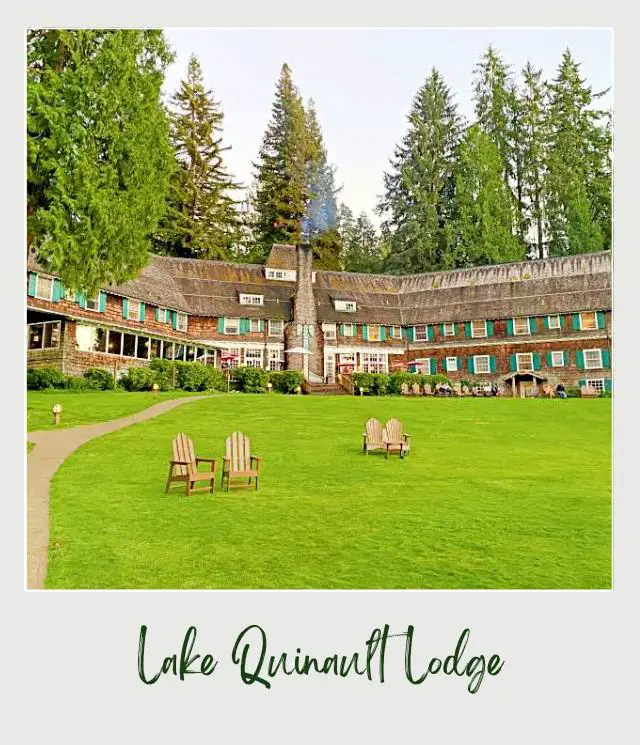
This region is known for the rainforest scenery, historic lodges (I recommend visiting Quinault Lodge even if you don’t stay there), as well as the scenic loop drive and hiking trails.
It’s less crowded than some of Olympic’s more famous areas and can be a great addition to longer itineraries.
Why You Should Split Your Stay
One of the best Olympic National Park planning tips is to avoid using a single hotel base for your entire trip whenever possible.
The park’s attractions are spread so far apart that staying in multiple areas often saves several hours of driving over the course of a trip.
For example, many visitors choose Port Angeles for the northern park regions and Forks for the rainforests and beaches.
This approach helps you reduce daily drive times and avoid exhausting backtracking so you can spend more time sightseeing and reach popular areas earlier in the day.
Although changing accommodations mid-trip can feel inconvenient, it usually creates a much smoother Olympic National Park itinerary overall.
Lodges and Campgrounds Inside the Park
Olympic National Park also has several lodging and camping options within or directly adjacent to park areas.
Popular lodges include:
Lake Crescent Lodge
Kalaloch Lodge
Sol Duc Hot Springs Resort
Lake Quinault Lodge
These properties offer some of the most scenic places to stay in the region and allow easier access to nearby attractions.
There are also 15 developed campgrounds throughout Olympic National Park, giving visitors plenty of opportunities for camping across different ecosystems and regions of the park.

‼️ Because accommodations inside the park are limited, booking early is highly recommended, especially for summer travel.
Frequently Asked Questions About Visiting Olympic National Park
How many days do you need in Olympic National Park?
Olympic National Park is much larger than many first-time visitors expect, so having at least 2–3 days is ideal.
With:
>> 1 day, you can see a few highlights but will need to prioritize carefully.
>> 2 days, you can experience mountains, rainforest, and beaches.
>> 3–4 days, you can explore at a more relaxed pace and reduce long driving days.
Because attractions are spread far apart, extra time makes a big difference in how enjoyable the trip feels.
Is Olympic National Park worth visiting?
Absolutely.
Olympic National Park is one of the most diverse national parks in the United States, combining:
>> Alpine mountains
>> Temperate rainforest
>> Rugged Pacific beaches
>> Lakes and waterfalls
Very few national parks offer this much variety in one trip.
It’s especially rewarding for travelers who enjoy scenic drives, photography, hiking, and exploring dramatically different landscapes within a relatively short distance.
What is the best entrance to Olympic National Park?
There isn’t one single “main” entrance because Olympic National Park is spread across multiple disconnected regions.
The best entrance depends on which part of the park you’re visiting.
Common access points include:
>> Port Angeles / Heart o’ the Hills Entrance for Hurricane Ridge
>> Hoh Rainforest Entrance for rainforest access
>> Sol Duc Entrance for Sol Duc Falls and hot springs
Many beach areas and other regions do not have formal entrance stations even though they are part of the national park.
Can you drive through Olympic National Park?
Not directly.
There are no roads crossing through the center of Olympic National Park because most of the park is protected wilderness.
Instead, visitors travel around the Olympic Peninsula using Highway 101 and access different park regions via separate side roads.
This is one of the reasons planning drive times carefully is so important.
Do you need reservations for Olympic National Park?
You do not generally need timed-entry reservations to enter Olympic National Park.
However:
– You do need a park pass or entrance fee
– Lodging reservations should be made early
– Campgrounds can fill quickly
– Parking areas at popular destinations often reach capacity
If you’re visiting during summer, arriving early is one of the best ways to avoid delays and parking problems.

Planning Your Olympic National Park Trip
Visiting Olympic National Park is an incredible experience, but it’s also a park that rewards good planning more than almost any other national park.
Because the park is so large and spread out, having a strategy for drive times and parking, planning around the tide schedules, as well as where to stay and which regions to combine each day can completely change the quality of your trip.
The good news is that once you understand how the park is laid out, planning becomes much easier.
Whether you want to explore mountain views at Hurricane Ridge, walk through the moss-covered forests of the Hoh Rainforest, relax beside Lake Crescent, or watch sunset from one of Olympic’s rugged beaches, the park offers an incredible amount of variety in a single trip.
The key is giving yourself enough time and organizing your itinerary efficiently so you spend less time driving and more time actually enjoying the park.
If you want extra help planning your trip, I’ve created detailed Olympic National Park itineraries.
These itineraries are designed to help you:
✅ Reduce overwhelm
✅ Avoid common planning mistakes
✅ Optimize timing and routing
✅ Adapt plans for different interests and activity levels
✅ Make the most of your available time
Instead of piecing together information from multiple sources, you’ll have a step-by-step framework that helps you feel confident you’re in the right place at the right time throughout your trip.
designed to help you avoid overwhelm, reduce driving, and make the most of your time in the park.
Travel Insurance
When planning your trip to Olympic National Park, you’ll need get travel insurance for your trip. Whether it’s for unexpected trip cancelation, emergency repatriation or medical help, or to replace something lost or stolen, having travel insurance will give you piece of mind and help you when you need it.
➡️ A great insurance option is Travelex. It has coverage for all you’ll need. You can compare Travel Insurance plans here or get a quote right now:
Enjoy Olympic National Park!
More Planning Resources for Olympic National Park
As you’re planning a trip to Olympic National Park, you might also want to read:
⭐ Olympic National Park Guide
⭐ Olympic National Park Itinerary
⭐ 7 Mistakes to Avoid in Olympic
⭐ 12 Tips for Visiting Olympic National Park
⭐ Packing List for Olympic National Park
⭐ Best Things to Do in Olympic National Park
⭐ Best Views In Olympic National Park
⭐ Best Waterfalls in Olympic National Park
⭐ Best Hikes in Olympic National Park
⭐ Visiting Hurricane Ridge: Complete Guide
⭐ Best Hurricane Ridge Hikes
🔹 Hurricane Hill Trail Guide
🔹 Cirque Rim Trail Guide
🔹 High Ridge Trail to Sunrise Point Trail Guide
⭐ Best Hikes Near Lake Crescent
🔹 Marymere Falls Trail Guide
⭐ Best Sol Duc Hikes
🔹 Sol Duc Falls Trail Guide
🔹 Ancient Groves Nature Trail Guide
🔹 Sol Duc Salmon Cascades
⭐ Best Hoh Rainforest Hikes
🔹 Hall of Mosses Trail Guide
🔹 The Hoh River Trail Guide
⭐ Best Olympic National Park Beaches
⭐ Best Tide Pools in Olympic National Park
🔹 Rialto Beach Guide
🔹 Kalaloch Beach 4 Guide
🔹 Third Beach Guide
🔹 Second Beach Guide
🔹 The Tree Of Life
⭐ Best Lake Quinault Hikes
🔹 Maple Glade & Kestner Homestead Trails
⭐ Lake Quinault Loop Drive: A Complete Guide
⭐ How To Get to Olympic National Park
⭐ All The Airports Near Olympic National Park
⭐ The Closest Airport to Olympic National Park
⭐ When is The Best Time To Visit Olympic National Park?
⭐ What To Expect Throughout the Year
⭐ 10 Fun Facts About Olympic National Park
Did you decide how many days? Olympic National Park has so much to offer, I’d love to hear. Join my private Facebook group National Parks Collectors and comment and let me know (you can also pick up extra planning tips, share your photos and stories with other national park lovers and more).
If you liked this beginner’s guide to Olympic National Park, Pin It to your Olympic National Park board!
💡 Are you just starting to think about taking a national parks trip? Get Inspiration
‼️ Are you looking for helpful tips for visiting US national parks? Read articles that share useful tips on a range of national-park related issues
💻 Are you starting to plan a trip to Olympic National Park? Read my Guide to Olympic National Park
📋 Do you want a ready-made super detailed plan for your trip to Olympic? Get a detailed 1 – 4-day Olympic National Park Itinerary
💲 Are you ready to book your trip? Use these Planning and Booking Resources
📖 Do you want to read a book about US national parks? Check out my Recommended Reading Lists
About the Author

James Ian is a national park, camping and hiking expert.
He has dedicated his life to travel, visiting more than 80 countries, all 7 continents and most of the national parks in the United States. With over 35 years experience in the travel industry, James has worked on cruise ships, at resorts and hotels, and as a travel planner who’s helped hundreds of people plan successful trips to US national parks.
Based on his experience visiting our national parks multiple times, in-depth research and expertise as a travel planner, James has published detailed itineraries for many of the major national parks in the US. These itineraries, as well as in-depth park guides, and other resources will help you have your own incredible trip to US national parks without stress and hassle.
As a national park expert, James has contributed to many publications, including USA Today, Newsweek, Time Business News, Savoteur, Best Trip, and Wired.
I’m a member of the Amazon Services LLC Associates Program. As an Amazon Associate I earn from qualifying purchases.