

Trying to figure out the best time to visit Olympic National Park?
You’re not alone. With so many different ecosystems – snowy mountains, mossy rainforests, and rugged beaches – visiting Olympic National Park can feel like planning for three separate climates. The weather changes fast, some roads close seasonally, and certain experiences (like wildflower blooms or tidepooling) only happen during narrow windows.
This guide is best for anyone asking, “What’s the best time to go to Olympic National Park?” – whether you’re trying to avoid the rain, beat the crowds, or time your trip for something special.
Here’s a quick tip: July through mid-September usually offers the driest weather and the best trail access – but it’s also the most crowded. I’ll help you decide whether that’s the right trade-off for you – or if another season might actually be a better fit.
This isn’t a generic month-by-month weather chart. I’ll walk you through what to really expect at different times of year, so you can plan a trip that matches your priorities.
Let’s take a look at what it’s like visiting Olympic in every season – and how to choose the best time for your adventure.
‼️ If you just want a quick snapshot about my thoughts on the best time to visit Olympic National Park, check out my Best Time to Go To Olympic National Park guide.‼️
🛏️TOP HOTEL IN NEARBY FORKS: Check availability now
🛏️TOP HOTEL IN PORT ANGELES: Check availability now
🚘FIND THE CHEAPEST CAR RENTAL: Search Discover Cars for the best deals
✈️FIND THE CHEAPEST FLIGHTS: Search Skyscanner for the best deals
🧳GET TRAVEL INSURANCE: Get insured with Travelex before you go
📱TAKE AN AUDIO TOUR: Buy an audio tour now
Table of Contents
Olympic National Park: Spring (April – May)
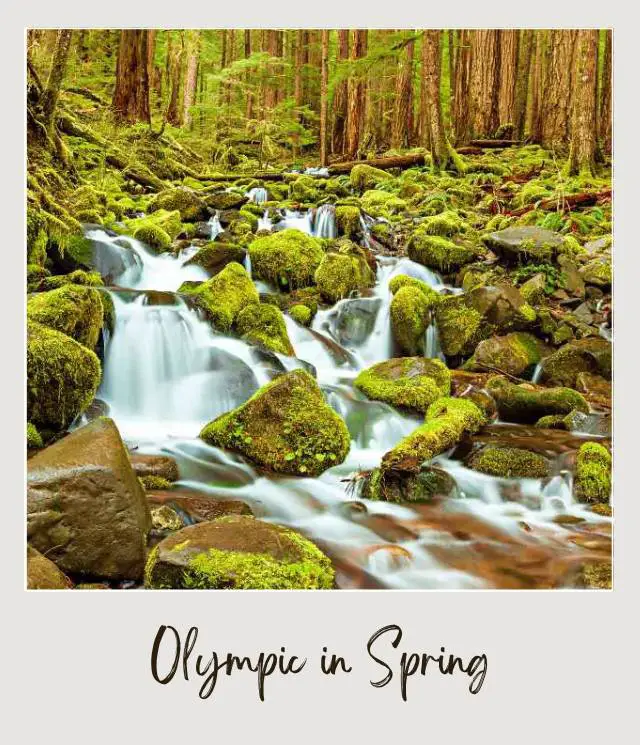
In spring, Olympic National Park’s lowland forests and meadows comes to life with blooming wildflowers and greenery emerging after winter. There are also newborn animals, making it a great time for nature enthusiasts.
However, the weather can be unpredictable, and many park areas may still be closed due to snow, especially in April.
Subscribe to daily national parks planning tips, travel inspiration and trip ideas and get instant access to the free PDF of this guide to
Visiting Olympic National Park Throughout The Year
Visiting Olympic National Park in April

Olympic National Park in April is a transition month where the park’s diverse ecosystems offer dramatic contrasts — lush, mossy rainforests and powerful waterfalls from snowmelt and rain make for stunning nature experiences, while unpredictable weather can bring cool, humid conditions, rain, and even lingering snow at higher elevations.
So, being prepared for mixed weather is essential.
April is quieter than summer, making it a great time for peaceful rainforest hikes, birdwatching, and coastal explorations with fewer crowds, and wildlife becomes more active as temperatures rise.
However, some roads and facilities may still be limited due to winter conditions, so plan around closures and embrace the season’s moodier beauty for a unique Pacific Northwest adventure.
➡️ Read my guide to Olympic National Park in April for more details.
Visiting Olympic National Park in May
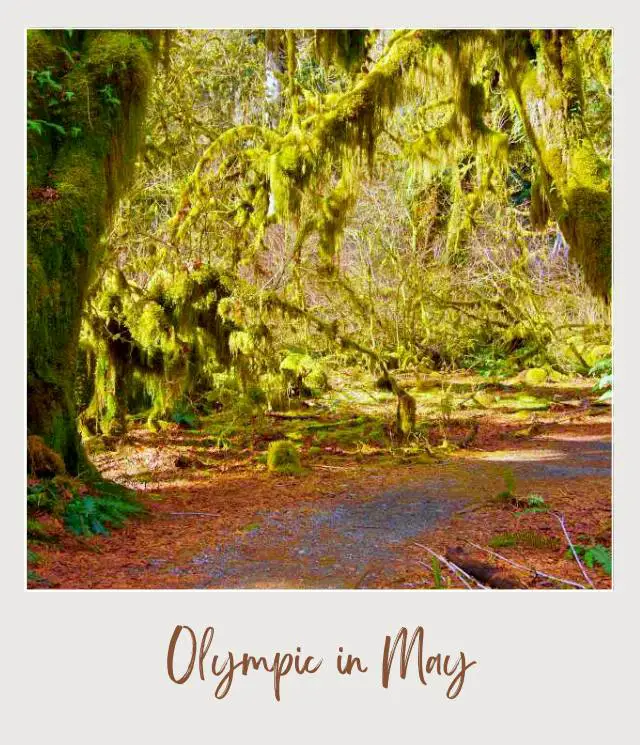
May is a great shoulder-season time to visit Olympic National Park, offering a balance of improving weather, fewer crowds, and increasing accessibility compared to early spring.
Temperatures are mild, waterfalls are at their peak from snowmelt, and the park’s diverse landscapes — rainforests, beaches, and lower-elevation trails — are fully open and vibrant.
Wildlife activity is picking up, and spring greenery makes the scenery especially lush. While some higher-elevation areas (like Hurricane Ridge trails) may still have snow early in the month, overall conditions are much better than in March or April, making May a strong option for hiking, sightseeing, and photography.
However, you should still expect variable weather, including rain and cooler temperatures, and be prepared for changing conditions.
Not all high-elevation roads and trails are fully open yet, and lingering snow can limit access in some areas. On the plus side, crowds are significantly lighter than summer, and prices for accommodation can be lower. With a bit of flexibility and planning — especially checking trail conditions and packing for mixed weather — May offers a quieter, scenic, and rewarding experience before the peak summer season begins.
Pack proper clothing and gear, insect repellent, and check the park’s website for the latest trail and road conditions information.
➡️ Read my guide to Olympic National Park in May for more details.
Olympic National Park: Summer (June – August)
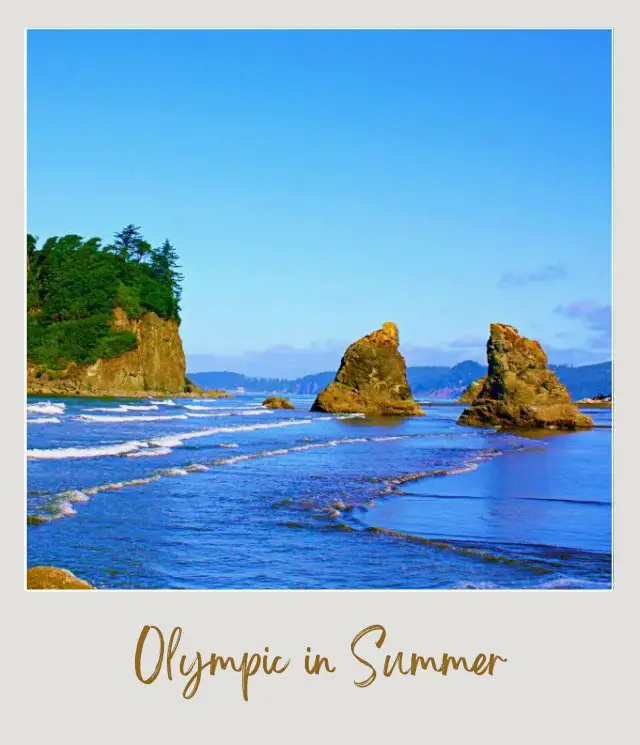
Summer is the peak season for visiting Olympic National Park, with warm weather and clear skies perfect for hiking, camping, and exploring, offering the most outdoor recreation and sightseeing opportunities. However, the park can be crowded, and accommodations are more expensive.
Visiting Olympic National Park in June
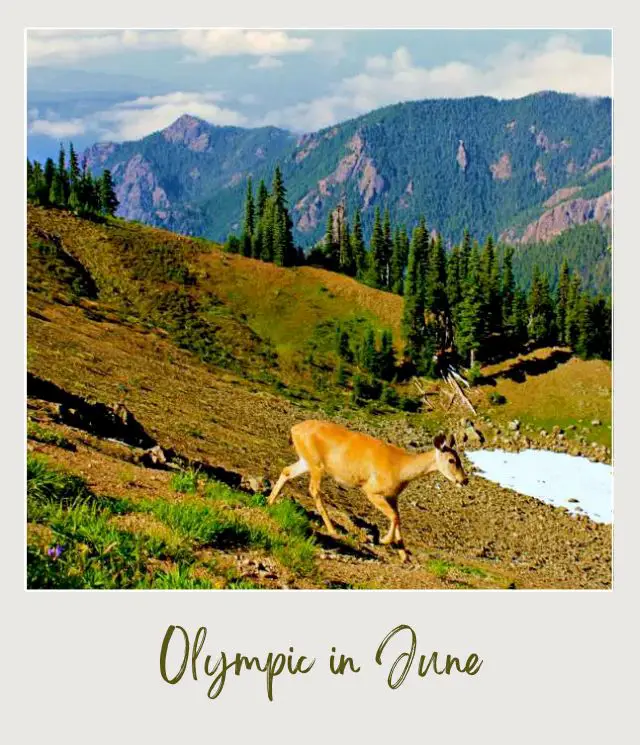
June is one of the best times to visit Olympic National Park, with mild temperatures, longer daylight hours, and much more reliable weather than earlier in the year.
Most areas of the park are open and accessible, including higher-elevation roads and trails that are often still snow-covered in spring. Visitors can enjoy the park’s incredible diversity—from alpine views at Hurricane Ridge to lush rainforests like the Hoh and dramatic Pacific coastline beaches — making it an ideal month for hiking, sightseeing, wildlife viewing, and tide pooling.
Early summer also offers the chance to see active wildlife and blooming wildflowers, while still avoiding the peak crowds of July and August.
However, June does come with a few trade-offs. While generally drier, the park can still experience rain and variable weather, so visitors need to be prepared for changing conditions. Snow may linger on some higher trails early in the month, and as summer begins, crowds and accommodation prices start to rise — especially later in June.
Planning ahead, arriving early at popular spots, and checking tide charts and trail conditions are key to making the most of a visit. Overall, June offers a near-perfect balance of accessibility, scenery, and manageable crowds, making it one of the top months to experience Olympic National Park.
➡️ Read my guide to Olympic National Park in June for more details.
Visiting Olympic National Park in July
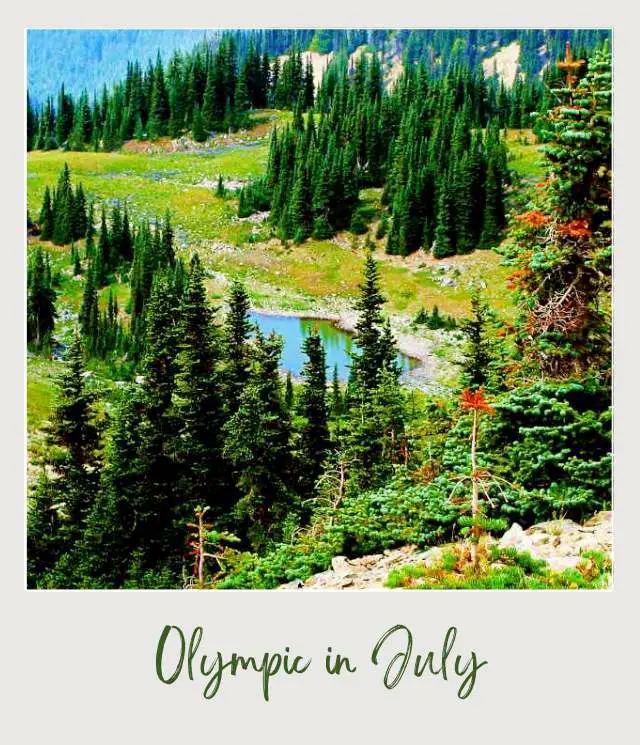
With mild to warm temperatures and long daylight hours, July is perfect for hiking, camping, and wildlife watching.
One of the top reasons to visit in July is the chance to experience Sol Duc Valley and its famous Sol Duc Hot Springs. Nestled in natural surroundings, the mineral hot spring pools provide a relaxing and rejuvenating experience. The valley also features the picturesque Sol Duc Falls, accessible via a scenic hike through the old-growth forest.
July provides full accessibility to the park’s popular sites and facilities, such as Hurricane Ridge and Hoh Rain Forest. It’s also an excellent time to see wildlife, including black bears, elk, marmots, and a wide range of bird species.
Olympic National Park offers a unique opportunity to witness a natural phenomenon called “bioluminescence” along the park’s coastal beaches. On dark nights, certain marine organisms like plankton produce and emit light through a chemical reaction, creating a glowing, ethereal display visible along the shoreline. Shi Shi Beach is one of the park’s lesser-known beaches where you can experience bioluminescence.
However, July is part of the peak travel season, and busy trails, attractions, and limited lodging availability can detract from the park’s tranquility. There is also a potential wildfire risk, and visitors should stay informed about fire conditions and restrictions. Finally, biting insects such as mosquitoes and black flies may be prevalent and annoying without proper precautions.
Pros
- Warm and sunny weather for outdoor activities
- Full access to park facilities and trails
- Opportunities for wildlife viewing
- Good time for stargazing and meteor shower viewing
- Good time to see bioluminescence
Cons
- High-season crowds can make some areas busy and congested
- Limited availability for campsites and lodging
- Risk of wildfires during dry summer months
Key Events in July
✳️ Sequim Lavender Festival – takes place on the third full weekend in July in Sequim, Washington, and offers visitors the chance to browse hundreds of hand-crafted gifts and products and waltz the night away at the street dance.
Visiting Olympic National Park in August
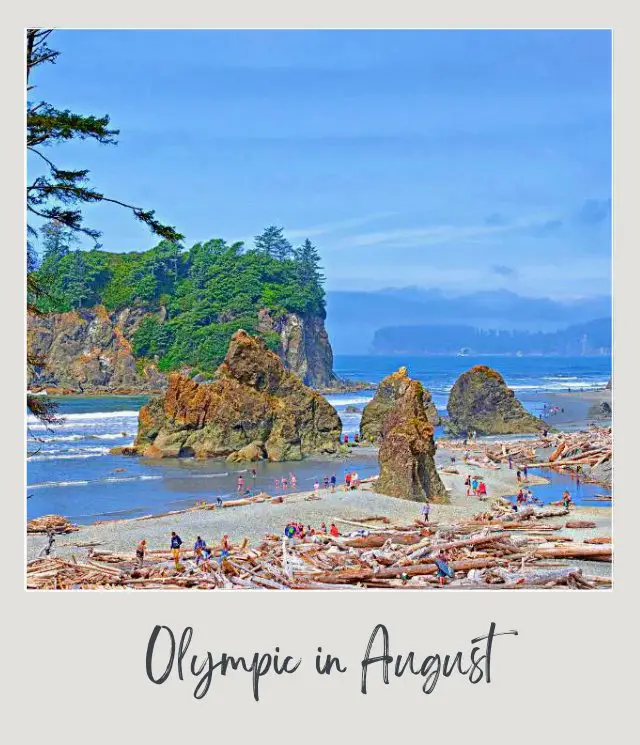
August is a great time to visit Olympic National Park and enjoy its vast and varied landscapes. Its coastal region, including Kalaloch Beach and Ruby Beach, is perfect for tide pool exploration and marine life observation.
The pleasant weather in August makes it an excellent time for outdoor activities such as hiking, camping, and wildlife watching.
The park’s popular sites and facilities, such as Hurricane Ridge, Sol Duc Hot Springs, and Hoh Rain Forest, are fully accessible in August. The park’s extensive trail network, campgrounds, and visitor centers are also fully operational, making exploring the park’s wonders easy.
Wildlife viewing opportunities abound in August as black bears, elk, and marmots remain active. The park is also home to diverse bird species, such as bald eagles and songbirds, making it a paradise for birdwatchers.
In August, you can witness one of the most stunning meteor showers, the Perseids, in the park’s pristine dark sky setting. With little light pollution, the park offers optimal conditions for stargazing and watching meteor showers. The Perseids typically peak around mid-August. You can head to locations like Hurricane Ridge, Deer Park, or the park’s coastal areas like Rialto Beach or Kalaloch Beach for a memorable stargazing experience.
However, there are some potential drawbacks when visiting in August. High numbers of visitors during the peak travel season can result in crowded trails and attractions and limited availability of campgrounds and lodging.
Additionally, the risk of wildfires during the dry summer months may be a concern, and visitors should stay informed about fire conditions and restrictions. Lastly, mosquitoes and black flies can still be present in August, so packing insect repellent and taking necessary precautions is recommended.
Pros
- Mild and pleasant weather for outdoor activities
- Full access to park facilities and trails
- Opportunities for wildlife viewing
- Best time for stargazing and meteor shower viewing
Cons
- High-season crowds can make some areas busy and congested
- Limited availability for campsites and lodging
- Risk of wildfires during dry summer months
- Biting insects like mosquitoes and black flies may still be present
Key Events in August
✳️ Departure Fest – A gathering that takes place in Quilcene’s Lake Leland Amphitheater and is surrounded by a variety of cuisines.
✳️ Northwest Colonial Festival – a historical celebration that includes tasty cuisine, children’s colonial activities, and historical reenactments.
Olympic National Park: Fall (September – October)
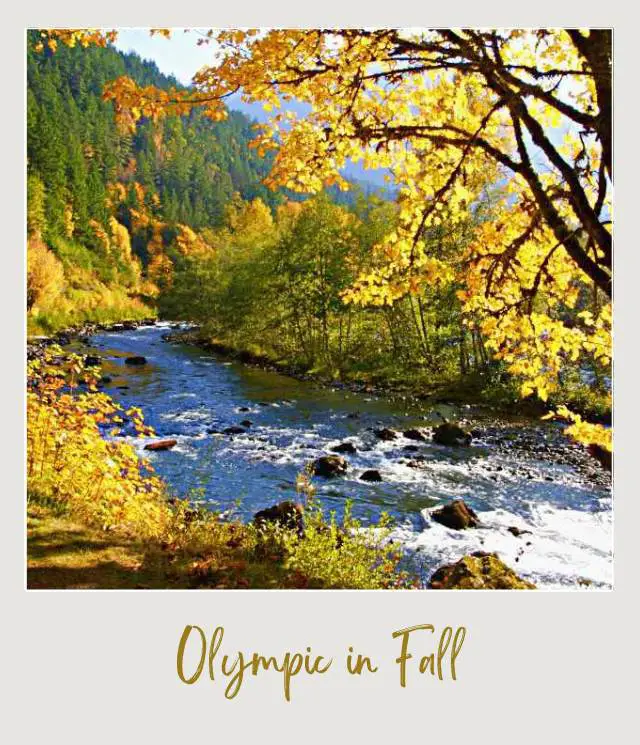
Fall in Olympic National Park offers stunning displays of autumn colors, with cooler temperatures and fewer crowds. It’s also an excellent time for fishing and wildlife viewing. However, rain and fog are common during this season.
Visiting Olympic National Park in September
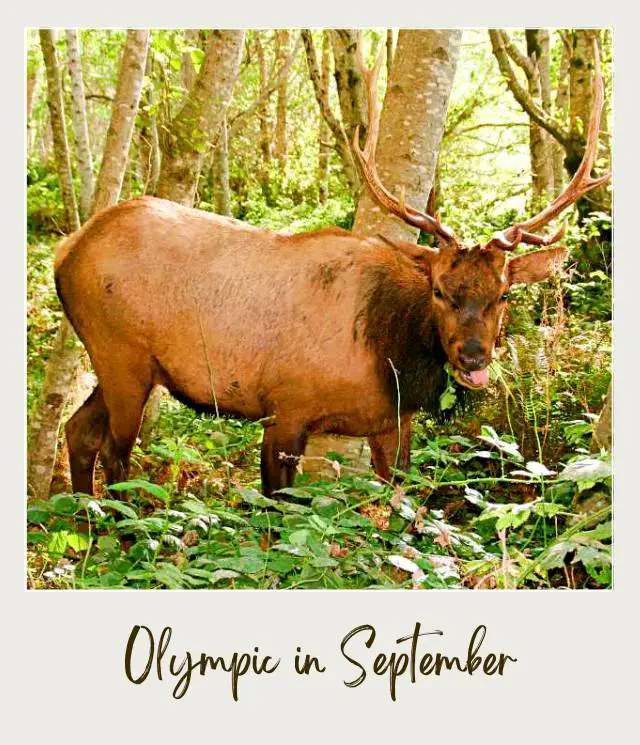
This is my favorite month to visit Olympic National Park. With pleasant temperatures and fewer people, it’s the perfect time to go.
One of the main attractions of visiting Olympic National Park in September is the stunning fall foliage, with deciduous trees and understory plants like huckleberry bushes turning brilliant shades of yellow, orange, and red. They create a beautiful contrast against the park’s evergreen conifers. Lowland forests, river valleys, and subalpine meadows are awe-inspiring this time of year.
During the month, Olympic National Park provides a unique opportunity to witness the elk rut, the mating season for Roosevelt elk, the largest subspecies of elk in North America. Male elk, or bulls, engage in various behaviors to assert dominance and attract females, including bugling vocalizations and antler sparring matches. Hoh Rainforest is a great area to witness the elk rut along the Hoh River Trail, but be sure to keep a safe distance.
While wildlife remains active in September, some other species may be less visible as they prepare for the winter months. However, visitors can still enjoy the wildlife in the park, including bird species and mammals like black bears and elk.
September also provides cooler and more comfortable weather for outdoor activities like hiking and wildlife viewing. With fewer insects and less rainfall compared to later months, it’s an ideal time to explore the park’s extensive trail network and diverse ecosystems.
Nonetheless, the weather in September can be unpredictable, so pack versatile clothing and gear to adapt to changing conditions.
So, is September a good time to visit Olympic National Park? These are the pros and cons of an Olympic National Park September visit.
Pros
- Cooler and more comfortable weather for outdoor activities
- Fall foliage and colorful scenery
- Elk rutting season provides unique wildlife viewing opportunities
- Reduced crowds compared to peak season
Cons
- Weather can be unpredictable with reduced daylight hours
- Some facilities and roads may begin to close for winter later in the month
- Some wildlife species may be less visible as they prepare for winter
Key Events in September
✳️ Forever Twilight in Forks – an annual celebration in Forks, Washington, for fans of the Twilight book and movie series, honoring Stephenie Meyer and all things Twilight.
✳️ Wooden Boat Festival – Dubbed the largest wooden boat festival held in North America, where historical culture of both boats and marine life are celebrated.
✳️ Jefferson County Farm Tour – An occasion honoring food produced in Jefferson County that takes guests on a tour of the areas around the farms where the products are grown as well as the stands where they are sold.
Visiting Olympic National Park in October
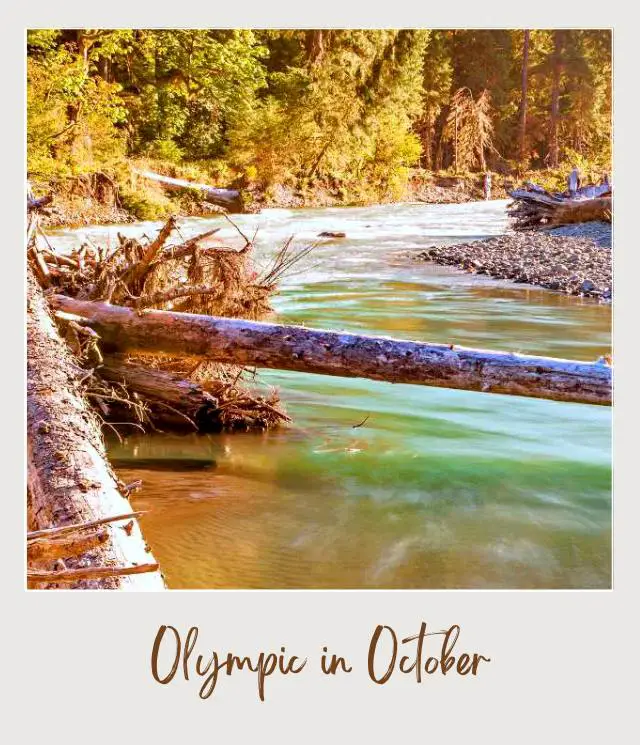
One of the highlights of visiting in October is the stunning fall foliage, with leaves in shades of red, orange, and gold that create a beautiful contrast against the evergreen landscape, making it a paradise for photography enthusiasts and nature lovers alike.
One of the lesser-known opportunities offered by Olympic National Park in October is to witness the annual salmon migration. Here, you can observe various species of Pacific salmon as they return to their natal streams to spawn, including Chinook, coho, and chum salmon. The Salmon Cascades Overlook, along the Sol Duc River, is a great place to witness this natural phenomenon, with salmon leaping and swimming against the current to reach their spawning grounds.
October is an ideal time to explore the park’s temperate rainforests, such as the Hoh Rainforest and the Quinault Rainforest, which become prime locations for mushroom hunting and photography.
As the fall rains begin, various species of fungi flourish in the damp, nutrient-rich environment of the rainforests, creating a stunning and unique display. However, mushroom collecting is not permitted within the park, and if you decide to do this, be cautious about touching or ingesting mushrooms, as some species can be toxic.
Another advantage of visiting Olympic National Park in October is the cooler weather, which still offers pleasant conditions for outdoor activities such as hiking and wildlife watching.
Fewer bugs combined with the cooler air makes for a more comfortable experience while exploring the park’s extensive trail network and diverse ecosystems. Additionally, with fewer visitors, October offers a more peaceful and intimate experience with less competition for campsites and lodging.
However, October also has unpredictable weather, reduced daylight hours, and potentially fewer wildlife sightings. It can bring more frequent rain, leading to muddy trails and limited visibility, so you should pack appropriate clothing and gear to adapt to changing conditions. With shorter days, you’ll also have less time to explore the park’s attractions, making planning and prioritizing destinations crucial.
While wildlife can still be observed in October, some species may be less active as they prepare for the winter months. Bird species continue their migration, and mammals like bears may be more focused on foraging and less likely to be seen by visitors.
There is also the potential for an early snowfall in higher elevations towards the end of October, which can impact access to some park areas.
Is October a good time to visit Olympic National Park?
Pros
- Cooler weather and stunning fall foliage
- Salmon spawning provides wildlife viewing opportunities
- Prime time for mushroom hunting and photography
- Fewer crowds and a more peaceful atmosphere
Cons
- Olympic National Park weather: October can be unpredictable, with the potential for rain, fog, and chilly temperatures.
- Reduced daylight hours
- Some facilities and roads may close for winter
- Some areas may have limited accessibility due to early snowfall
Key Events in October
✳️ Dungeness Crab & Seafood Festival – held on the waterfront in Port Angeles, Washington, this festival celebrates the Olympic Peninsula’s diverse bounty of seafood where you can enjoy the spotlight on the Dungeness Crab, as well as live oyster bars, cooking demonstrations, chowder cook-offs, local wine tastings, and more.
✳️ Bigfoot Brewfest – An event marked by a range of brewers and cideries with live musical entertainment.
Olympic National Park: Winter (November – March)
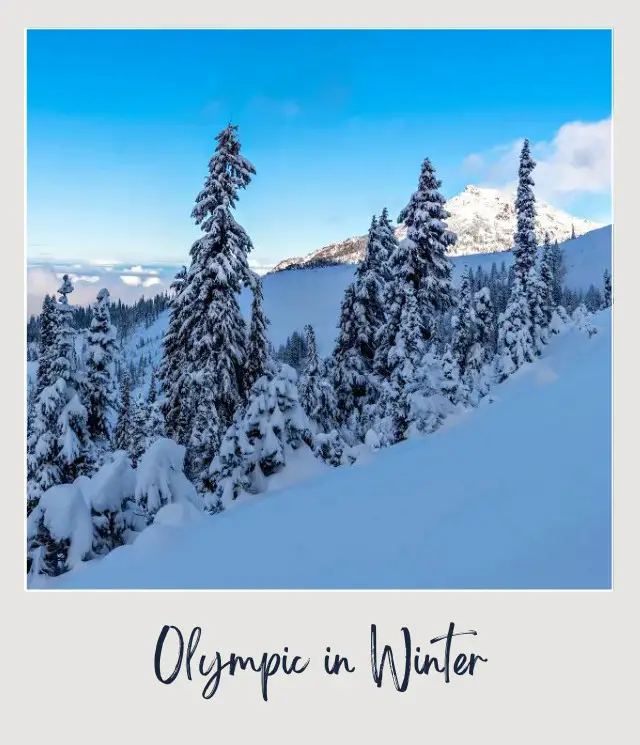
What about visiting Olympic National Park in winter? Winter is when you can experience snow in Olympic National Park and enjoy various winter activities, like skiing and snowshoeing. However, the park can be subject to heavy snowfall, and many areas may be inaccessible.
For those who want to witness the park’s dramatic coastline and storm-watching season, November and December are the best winter months to visit. The coastal areas remain accessible and uncrowded during this time, providing a tranquil and peaceful atmosphere. You can witness the powerful waves, high winds, and lightning displays that create a dramatic and beautiful natural spectacle.
If you’re a winter sports enthusiast, January and February are ideal months to visit the park. You can enjoy skiing, snowboarding, snowshoeing, and ice skating while witnessing the park’s breathtaking winter landscapes.
READ MORE: ➡️ Guide to Visiting Hurricane Ridge
Visiting Olympic National Park in November
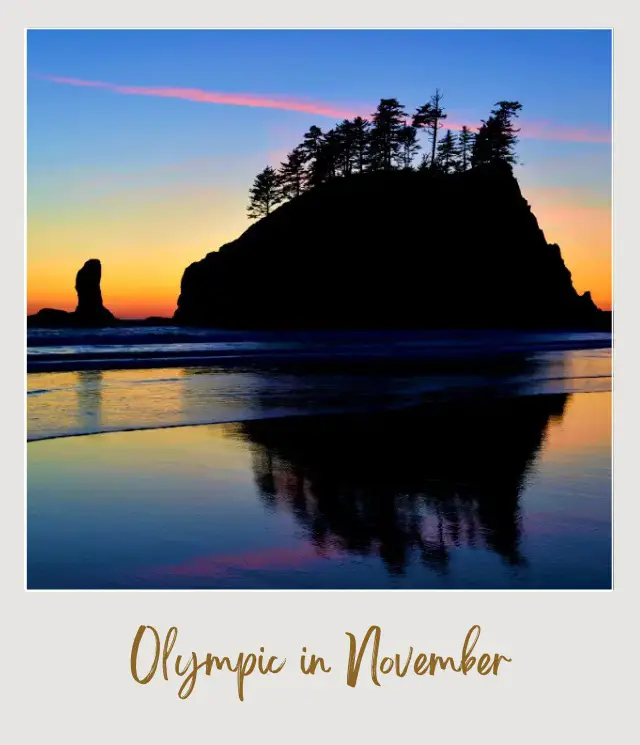
November is a unique time to experience Olympic National Park’s beauty as it transitions from fall to winter. With smaller crowds, it offers an intimate and relaxing atmosphere for nature lovers seeking solitude.
One of the park’s main attractions in November is the annual salmon spawning, attracting other wildlife, such as eagles and bears.
Although the cooler temperatures can be challenging, they create a unique and unforgettable experience for outdoor activities like hiking and wildlife watching. Some wildlife species, such as elk during their rutting season, can still be observed in November.
You can also enjoy the stunning storm-watching season on the park’s coastline, with the powerful waves and lightning displays creating a breathtaking spectacle.
La Push, located within the park and on the Quileute Indian Reservation, is a great spot for storm-watching. Its various beaches, including First, Second, and Third Beach, offer fantastic views of the ocean and the storms.
However, some park areas may be inaccessible due to seasonal closures caused by snow and ice. Visitors should also be aware of potential hazards such as icy conditions and falling branches or trees due to high winds and storms.
It’s crucial to pack appropriate clothing and gear to adapt to changing weather conditions and remain flexible with your plans.
Lastly, you’ll need to prioritize your destinations, as some roads and facilities may be closed for the season. While storm-watching can be a unique and beautiful experience, take appropriate precautions and avoid dangerous areas near the water.
Pros
- Winter wonderland scenery
- Opportunities for winter sports at Hurricane Ridge
- Chance to witness salmon spawning and storm watching
- Reduced crowds for a more intimate experience
Cons
- Winter weather can be challenging, with unpredictable road and trail conditions
- Some facilities and roads may be closed for the season
- Limited daylight hours and reduced outdoor activities
Key Events in November
✳️ Port Angeles Winter Ice Village – From mid-November to the end of the year, you can use a skating rink with a winter ice village concept. Additionally, it serves as a method to mark the arrival of winter in the Olympic National Park.
Visiting Olympic National Park in December
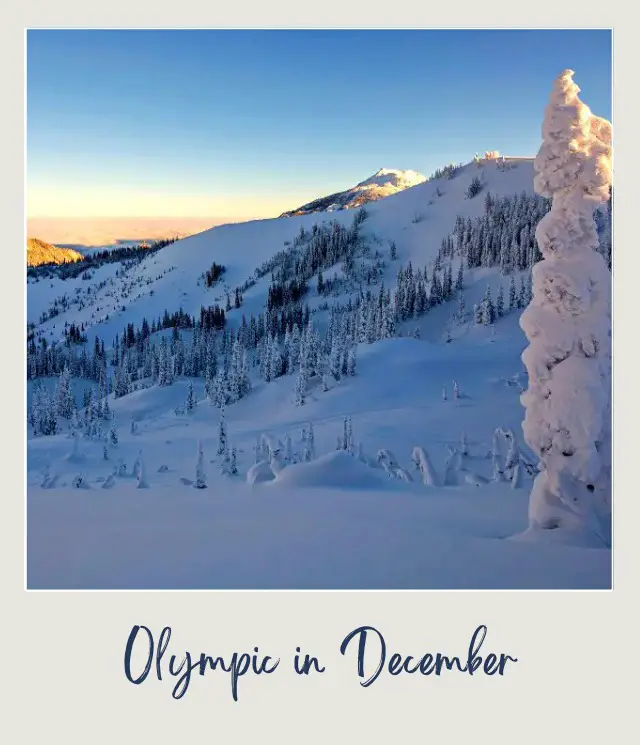
Hurricane Ridge is the park’s primary winter destination, with snowshoeing, skiing, snowboarding, and tubing activities. The snow-covered landscapes provide a picturesque backdrop for sightseeing and photography.
Another advantage of visiting the park in December is the opportunity to enjoy its hot springs. The commercialized springs close after September, but you can visit the natural ones if you’re willing to hike a 21 miles round trip from the Madison Falls parking lot (or bike the first half).
The scenery along the way, with the Elwha River on one side and the forest on the other. Once you reach the springs, the warm waters and stunning surroundings make the journey worthwhile.
In December, you may spot seasonal wildlife such as elk, deer, and mountain goats as they move to lower elevations for food, and migratory bird species can also be seen. With fewer crowds, the park provides opportunities for solitude and reflection.
However, winter weather can be unpredictable, and you should always check the park’s website for current road and weather conditions before planning your visit. Some roads and trails may be closed, limiting outdoor activities. Winter storms can also cause road closures and make some trails impassable.
The Hurricane Ridge Visitor Center offers snowshoe rentals and ranger-guided snowshoe walks on weekends, providing a fun and educational way to explore the park’s snow-covered landscapes.
While December is a quieter time to visit Olympic National Park, plan ahead and make early reservations. Nearby communities may have limited availability and higher prices for accommodations and attractions.
Pros
- Winter wonderland scenery and winter sports opportunities
- Few people
Cons
- Winter weather can be challenging, with unpredictable road and trail conditions
- Some facilities and roads may be closed for the season
- Limited daylight hours and reduced outdoor activities
Key Events in December
✳️ Sequim City Band’s Holiday Concert – A concert honoring Christmas featured live musical performances and literature such as poetry and songs.
✳️ Hoodsport Holiday Celebration – an occasion where a parade is organized with lanterns heralding the approach of Christmas along with entertainment and food vendors.
Visiting Olympic National Park in January

If you’re looking for a winter escape, January is a good time to visit Olympic National Park. Much of the park is covered in snow, creating a unique and picturesque winter wonderland. You can enjoy photography and sightseeing amidst the snow-covered mountain peaks, alpine meadows, and dense forests.
Winter sports enthusiasts will also find plenty to enjoy in Olympic National Park. The Hurricane Ridge area offers skiing, snowboarding, snowshoeing opportunities, and cross-country ski trails. Ice skating is possible on frozen lakes and ponds such as Lake Crescent or Sol Duc River, although visitors should exercise caution and check with park rangers to ensure the ice is safe.
January is also a great time to witness seasonal wildlife sightings, with larger animals such as elk and deer moving to lower elevations in search of food. Birdwatchers can spot migratory species passing through the area during the winter months.
Olympic National Park’s remote location and minimal light pollution make it an ideal destination for stargazing enthusiasts. Hurricane Ridge provides unobstructed night sky views, while the lack of city lights along the coast offers another great location for stargazing. The Aurora Borealis can sometimes be seen with high solar activity in the park.
Coastal areas remain accessible and uncrowded during January, allowing you to easily explore the rugged coastline, ideal for storm-watching and photography. However, be prepared for colder temperatures, high winds, and rain and exercise caution against sneaker waves and slippery surfaces while exploring.
January is a quieter time to visit the park, with fewer people and less competition for accommodations and attractions. However, winter storms can cause road closures and trail closures, so check with the NPS for the latest information on closures and conditions before planning their visit.
Additionally, the days are shorter, so prioritize your activities to make the most of your time in the park. Reservations should be made in advance to avoid potential issues with limited availability and higher prices for accommodations and attractions in nearby communities.
Pros
- Beautiful winter landscapes
- Winter sports, such as skiing, snowboarding, snowshoeing, and ice skating
- Witness seasonal wildlife and migratory bird species
- Stargazing opportunities
- Storm-watching and photography
- Quieter time to visit with fewer crowds
Cons
- Winter storms can cause road closures and make some trails impassable
- Reduced daylight hours
- Colder temperatures and high winds along the coast
- Potentially limited availability and higher prices for accommodations and attractions in nearby communities.
Visiting Olympic National Park in February

Olympic National Park offers plenty of winter activities and stunning scenery in February. The park’s snow-covered landscapes provide a winter wonderland perfect for winter sports, including skiing, snowboarding, snowshoeing, and winter hiking.
Deer Park area is a lesser-known winter destination in Olympic National Park, offering a scenic and tranquil route for experienced cross-country skiers to enjoy the breathtaking views of the Olympic Mountains and the Strait of Juan de Fuca. It is an ideal place for visitors seeking solitude and a peaceful experience.
February offers a quieter experience with fewer crowds, making it an ideal time to enjoy a peaceful and uncrowded experience with plenty of opportunities for solitude and reflection. However, you should be prepared for unpredictable winter weather, including heavy snowfall, cold temperatures, and possible road closures. It is crucial to check with park officials for the latest information on closures and conditions before planning your visit.
With reduced daylight hours, visitors should prioritize their activities to make the most of their time in the park. Nearby communities may have limited availability and higher prices for accommodations and attractions due to the recently ended holiday season, so it’s essential to plan ahead and make reservations well in advance to avoid any potential issues.
Pros
- Beautiful snow-covered landscapes for winter activities and sports
- Tranquil and uncrowded experience with solitude and reflection
- Scenic cross-country skiing route at Deer Park area
Cons
- Unpredictable winter weather with possible road closures
- Reduced daylight hours requiring prioritization of activities
- Nearby communities may have limited availability and higher prices for accommodations and attractions
Visiting Olympic National Park in March
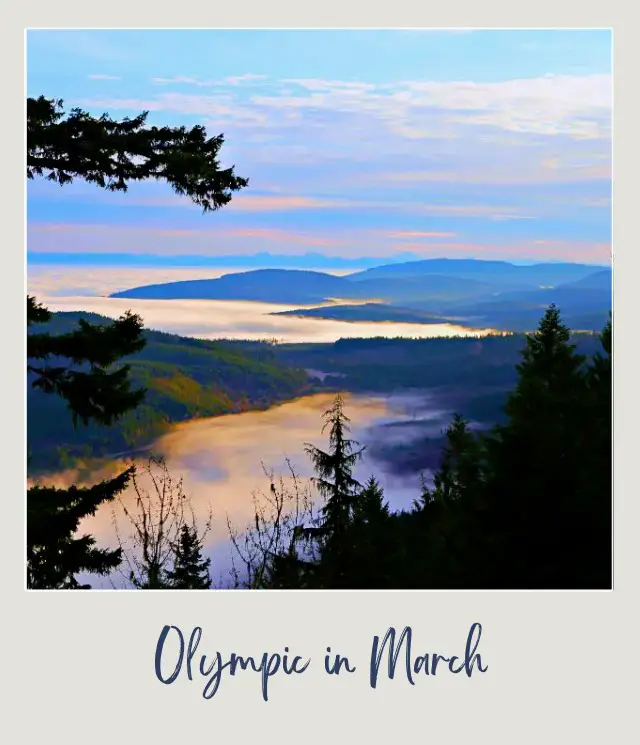
In March, winter at Olympic National Park slowly starts to transition into spring, especially at the lower altitudes. It’s still winter up in the mountains, but the lowland forests of the park start to come to life with migratory birds returning to breed. As the snow melts at lower elevations, visitors can explore the lush, moss-draped forests and meadows and witness the awakening of the park’s flora and fauna after the winter months.
Due to the winter rains and snowmelt, March is also an excellent time to witness the park’s waterfalls at their peak flow. Marymere Falls, Sol Duc Falls, and the Quinault River waterfalls are some of the best waterfalls to see during this time. Additionally, early signs of spring emerge, such as blooming wildflowers and budding trees, providing beautiful and colorful scenery.
March is a quieter time to visit Olympic National Park, with fewer crowds and more opportunities for solitude and reflection. The peaceful atmosphere also offers potential wildlife sightings as animals become more active and visible. Elk, deer, and other animals may be spotted as they emerge from the winter months.
However, visitors should be prepared for rain and unpredictable weather conditions as March is still part of the wet season. Some attractions and services may remain closed or limited due to winter conditions, impacting outdoor activities and sightseeing. Check with park officials for the latest information on closures and conditions before heading out.
Nearby communities may also have limited availability and higher prices for accommodations and attractions, so it’s important to plan ahead and make reservations well in advance to avoid any potential issues.
Pros
- Witness the park’s winter landscapes melting into spring
- Observe the return of migratory birds in the park’s lowland forests
- Explore the park’s lush, moss-draped forests and early signs of spring
- The peak flow of waterfalls due to winter rains and snowmelt
- Quieter time with fewer crowds and more opportunities for solitude and reflection
- Potential wildlife sightings
Cons
- Rainy and unpredictable weather
- Higher altitudes are still snowed in
- Most attractions and services are still closed or limited due to winter conditions
- Nearby communities may have limited availability and higher prices for accommodations and attractions
Deciding when to go to Olympic National Park is a very important step in planning your trip, and I hope this guide is helping.
However, as I’m sure you’re very aware, this is just one thing of many to decide. Once you’ve decided the timing of your trip, you still need to make an actual plan.
In fact, the thing that most people ask me about is how to put it all together into an itinerary that makes sense. They decide when they’ll go and maybe even book their flights, but still worry about how to minimize the crowds, what to do – and when – and how to coordinate it all.
To help take away the overwhelm of planning a trip to Olympic National Park, I’ve created several super detailed itineraries.
Without them, people often feel stressed about planning their trip. With them, they have the confidence of getting all the info they need in one spot. Plus, there’s flexibility built in, so they can easily adapt them to their own interests and activity levels.
There are 1-, 2-, 3-, and 4- day options for Olympic National Park: all with detailed hour-by-hour schedules, including alternatives for different activity and fitness levels, plus trail maps and descriptions, driving instructions, important information, essential tips, and everything else you need to make the most of your time in Olympic National Park.
Travel Insurance for Olympic National Park
No matter what when you go to Olympic National Park, you should definitely get travel insurance. This can protect you not only against medical and emergency repatriation, but can also cover things like trip cancellation, loss and/ or theft of property, etc.
➡️ A great insurance option is Travelex. It has coverage for all you’ll need. You can compare Travel Insurance plans here or get a quote right now:
Enjoy Olympic National Park!
More Planning Resources for Olympic National Park
⭐ Olympic National Park Guide
⭐ Olympic National Park Itinerary
⭐ 7 Mistakes to Avoid in Olympic
⭐ How Many Days in Olympic National Park?
⭐ Packing List for Olympic National Park
⭐ Best Things to Do in Olympic National Park
⭐ Best Views In Olympic National Park
⭐ Best Waterfalls in Olympic National Park
⭐ Best Hikes in Olympic National Park
⭐ Visiting Hurricane Ridge: Complete Guide
⭐ Best Hurricane Ridge Hikes
🔹 Hurricane Hill Trail Guide
🔹 Cirque Rim Trail Guide
🔹 High Ridge Trail to Sunrise Point Trail Guide
⭐ Best Hikes Near Lake Crescent
🔹 Marymere Falls Trail Guide
⭐ Best Sol Duc Hikes
🔹 Sol Duc Falls Trail Guide
🔹 Ancient Groves Nature Trail Guide
🔹 Sol Duc Salmon Cascades
⭐ Best Hoh Rainforest Hikes
🔹 Hall of Mosses Trail Guide
🔹 The Hoh River Trail Guide
⭐ Best Olympic National Park Beaches
⭐ Best Tide Pools in Olympic National Park
🔹 Rialto Beach Guide
🔹 Kalaloch Beach 4 Guide
🔹 Third Beach Guide
🔹 Second Beach Guide
🔹 The Tree Of Life
⭐ Best Lake Quinault Hikes
🔹 Maple Glade & Kestner Homestead Trails
⭐ Lake Quinault Loop Drive: A Complete Guide
⭐ How To Get to Olympic National Park
⭐ All The Airports Near Olympic National Park
⭐ The Closest Airport to Olympic National Park
⭐ When is The Best Time To Visit Olympic National Park?
⭐ 12 Tips for Visiting Olympic National Park
⭐ 10 Fun Facts About Olympic National Park
What do you think the best month to visit Olympic National Park is ? Join my private Facebook group National Parks Collectors and comment and let me know (you can also pick up extra planning tips, share your photos and stories with other national park lovers and more).
Subscribe to daily national parks planning tips, travel inspiration and trip ideas and get instant access to the free PDF of this guide to
Visiting Olympic National Park Throughout The Year
If you liked this article, Pin It to your Olympic National Park board!

💡 Are you just starting to think about taking a national parks trip? Get Inspiration
‼️ Are you looking for helpful tips for visiting US national parks? Read articles that share useful tips on a range of national-park related issues
💻 Are you starting to plan a trip to Olympic National Park? Read my Guide to Olympic National Park
📋 Do you want a ready-made super detailed plan for your trip to Olympic? Get a detailed 1 – 4-day Olympic National Park Itinerary
💲 Are you ready to book your trip? Use these Planning and Booking Resources
📖 Do you want to read a book about US national parks? Check out my Recommended Reading Lists
About the Author

James Ian is a national park, camping and hiking expert.
He has dedicated his life to travel, visiting more than 80 countries, all 7 continents and most of the national parks in the United States. With over 35 years experience in the travel industry, James has worked on cruise ships, at resorts and hotels, and as a travel planner who’s helped hundreds of people plan successful trips to US national parks.
Based on his experience visiting our national parks multiple times, in-depth research and expertise as a travel planner, James has published detailed itineraries for many of the major national parks in the US. These itineraries, as well as in-depth park guides, and other resources will help you have your own incredible trip to US national parks without stress and hassle.
As a national park expert, James has contributed to many publications, including USA Today, Newsweek, Time Business News, Savoteur, Best Trip, and Wired.
I’m a member of the Amazon Services LLC Associates Program. As an Amazon Associate I earn from qualifying purchases.