

September marks the transition into fall at Mount Rainier National Park, transforming the landscape into one of the year’s most spectacular displays.
While summer crowds begin to thin, the park reaches peak accessibility — most high-elevation trails are snow-free, weather is generally stable, and the mountain reveals itself in stunning clarity.
If you’re considering a Mount Rainier visit in September, you’re choosing a time when the park offers ideal hiking conditions, vibrant alpine scenery, and a more intimate experience than the peak summer months of July and August.
This guide covers everything you need to know about visiting Mount Rainier National Park in September, including detailed information about weather patterns, which areas are fully open, wildlife viewing opportunities, and how to plan a trip that maximizes your experience during this golden season.
‼️ If you just want a quick snapshot about my thoughts on the best time to visit Mount Rainier National Park, check out my Best Time to Go to Mount Rainier National Park guide.
🛏️TOP HOTEL PICK: Check availability now
🚘FIND THE CHEAPEST CAR RENTAL: Search Discover Cars for the best deals
✈️FIND THE CHEAPEST FLIGHTS: Search Skyscanner for the best deals
🧳GET TRAVEL INSURANCE: Get insured with Travelex before you go
📱TAKE AN AUDIO TOUR: Buy an audio tour now
Table of Contents
Visiting Mt Rainier in September

Is it a good time to visit Mount Rainier in September? Yes.
Two good reasons to plan your trip during the fall season? There are a lot fewer people in the park right after Labor Day and the weather is good at this time of the year. I’ve been the week after Labor Day and it was easy to get a park, the trails weren’t super crowded and the weather was perfect!
The main areas are snow-free so you’ll enjoy the cool rainforest climate while hiking the trails. Many of the plants are still green and there are even some late-season wildflowers on some meadows, but you’ll start to see more orange and red hues taking place around the park.
Black bears and deer are also active during the season so you’re likely to spot them along the trails.
Fall weather at Mount Rainier National Park in September averages between highs of 68°F and 45°F low temperature. You can access all park visitor centers and facilities at this time, but when snowfall starts in Mount Rainier in late September, some park facilities also close for the coming winter season.
Visitor Centers in Sunrise and Ohanapecosh close in mid-September. Paradise Inn also ends its open season while Sunrise Day Lodge and Paradise Wilderness Information Center / Guide House close earlier during the month.
What’s the Weather Really Like in September at Mount Rainier?
September weather at Mount Rainier is considerably more stable and pleasant than earlier months. Unlike spring and early summer, September offers more consistent dry conditions — the region transitions into its driest season, meaning fewer rainy days and better visibility of the iconic mountain peak.
However, conditions vary significantly by elevation. Temperatures in September typically range from the mid-60s Fahrenheit in lower valleys to the mid-40s at higher elevations.
Higher elevation areas begin showing the first signs of autumn, with crisp mornings and cool afternoons that make for comfortable hiking without excessive snow or muddy trail conditions.
September isn’t entirely predictable. Early September can still feel summery, while late September occasionally brings early season snow to the highest passes, particularly above 8,000 feet. Always check current trail conditions and weather reports before heading out.
The stability of September weather patterns creates excellent photography opportunities — clear skies mean Mount Rainier itself is visible far more frequently than during spring months, and the angle of fall sunlight casts dramatic shadows across the volcanic landscape.
What’s Open in Mount Rainier in September?
By September, nearly all of Mount Rainier National Park’s major facilities and attractions are fully operational, making this an excellent month for comprehensive exploration.
Paradise Area
The road to Paradise remains open throughout September, and unlike earlier in the season, most trails are completely snow-free. Popular routes like the Skyline Trail are accessible without microspikes, though snow equipment may be needed for higher portions late in the month. The Nisqually Vista Trail is typically snow-free and offers excellent alpine views without significant elevation gain.
Sunrise Region
The popular Sunrise area is fully open in September, providing access to some of the park’s most celebrated trails. This high-elevation gateway, which doesn’t reliably open until late June or July, welcomes visitors throughout September with stunning vistas and less crowded conditions than summer months.
Longmire Area
The park’s year-round base area continues offering reliable access to Trail of the Shadows and other lower-elevation routes, with excellent fall foliage beginning to appear.
Stevens Canyon Road
This scenic corridor remains open throughout September, providing access to the eastern portions of the park and additional trailhead options.
Lower Elevation Hiking Trails
At lower elevations, trails like the Grove of the Patriarchs are reliably snow-free and showcase emerging fall colors. Water crossings are more manageable in September than during spring snowmelt.
Alpine Wildflowers and Fall Foliage
While September doesn’t feature the famous alpine wildflower displays — those peak in late July through early August — all is not lost. I’ve visiting in the first half of September and there were still some late blooming flowers – not as spectacular as July/ August, but still pretty cool.
Later in the month, the meadows turn into golden grasses and subtle berry-tinted plants. Lower elevation forests begin their color transformation, with larch trees turning brilliant gold and berry-producing shrubs displaying deep reds and oranges. This creates a unique landscape where alpine tundra, evergreen forests, and autumn colors coexist.
Wildlife Activity in September
September brings distinctive wildlife patterns as animals prepare for winter. Wildlife viewing in September at Mount Rainier offers excellent opportunities to observe native species in natural behaviors:
Mountain goats descend from higher elevations and become more visible in mid-elevation meadows. Marmots actively forage in alpine zones, producing their distinctive whistling calls. Black bears are frequently spotted as they enter hyperphagia — a period of intense feeding before hibernation
Elk herds become more active in meadows as summer heat breaks, and mule deer are common throughout lower elevation trails.
The combination of cooler temperatures and reduced human activity makes animals less reclusive, creating better opportunities for ethical wildlife observation and photography.
Campgrounds and Lodging Options
September remains an excellent month for accommodation availability, as the peak summer rush has passed.
In-Park Lodging:
🛏️ National Park Inn (Longmire): Open year-round, providing reliable mid-range lodging
🛏️ Paradise Inn: Open through September (typically closes in early October), offering the iconic high-elevation lodge experience
Campgrounds Open in September:
🏕️ Cougar Rock Campground: Open through late September
🏕️ Ohanapecosh Campground: Open through late September
🏕️ White River Campground: Open through late September
🏕️ Mowich Lake Campground: Open through early October
September offers a significant advantage over summer months — campground availability in September is substantially better, with sites easier to secure without advance reservations made months earlier. Gateway communities like Ashford and Packwood provide additional lodging options for those unable to secure park accommodations.
Backcountry camping remains available with permits, though snow travel skills are less essential than in spring and early summer.
Packing for a September Mount Rainier Trip
Packing for September at Mount Rainier varies a bit depending on when in the month you go. Start with my Summer Packing List for Mount Rainier National Park as a base and make adjustments:
Layering system: Mornings can be cool (40s), afternoons warm (60s), and temperatures drop rapidly at sunset
Waterproof jacket: September isn’t as dry as it seems—occasional rain showers occur, particularly late in the month
Sturdy hiking boots: Well-maintained trails are excellent, but uneven terrain demands proper footwear
Sun protection: High elevation means stronger UV exposure despite moderate temperatures
Headlamp or flashlight: Shorter daylight hours (sunset around 7:00 PM early month, 6:15 PM by month’s end) require lighting for evening activities
Traction devices: While most trails are snow-free, microspikes may be necessary for late September hikes at elevations above 8,000 feet
Is September Worth Visiting Mount Rainier National Park?
Should you visit Mount Rainier in September? Yes, especially in the first half of the month. But there are pros and cons:
Pros
- Complete trail accessibility without snow gear
- Stable, predictable weather with high visibility
- Significantly fewer crowds than July and August
- Excellent wildlife viewing opportunities
- Fall colors beginning to emerge
- Easy campground and lodging availability
- Comfortable temperatures for sustained hiking
Cons
- Shorter daylight hours limit evening activities
- Some higher passes may receive early season snow late in the month
- Weather can deteriorate late in September with approaching autumn storms
- Paradise Inn closes in early October, limiting high-elevation lodging options
Frequently Asked Questions About September Visits
How crowded is Mount Rainier in September?
Mount Rainier crowds in September decrease dramatically after Labor Day. Early September remains moderately busy. Mid-to-late September features light crowds, particularly mid-week. Paradise, typically severely crowded, becomes genuinely spacious for much of mid-to-late September.
What’s the water temperature for swimming in September?
Mount Rainier lake water temperatures in September range from cold to frigid. Lower elevation lakes (Reflection Lakes, Mowich Lake) reach approximately 50–55°F. Higher elevation lakes remain colder. Swimming remains uncomfortable for most visitors, though hardy swimmers occasionally enter.
Are all park roads open in September?
Yes, Mount Rainier roads in September remain fully open. Nisqually entrance road, Paradise road, Sunrise road, and Stevens Canyon road all operate normally throughout the month without seasonal closures or restrictions.
Deciding when to go to Mount Rainier National Park is a very important step in planning your trip, and I hope this guide is helping.
However, as I’m sure you’re very aware, this is just one thing of many to decide. Once you’ve decided the timing of your trip, you still need to make an actual plan.
In fact, the thing that most people ask me about is how to put it all together into an itinerary that makes sense. They decide when they’ll go and maybe even book their flights, but still worry about how to minimize the crowds, what to do – and when – and how to coordinate it all.
To help take away the overwhelm of planning a trip to Mount Rainier National Park, I’ve created several super detailed itineraries.
Without them, people often feel stressed about planning their trip. With them, they have the confidence of getting all the info they need in one spot. Plus, there’s flexibility built in, so they can easily adapt them to their own interests and activity levels.
There are 1-, 2-, and 3- day options for Mount Rainier National Park: all with detailed hour-by-hour schedules, including alternatives for different activity and fitness levels, plus trail maps and descriptions, driving instructions, important information, essential tips, and everything else you need to make the most of your time in Mount Rainier National Park.
Travel Insurance for Mount Rainier National Park
No matter what when you go to Mount Rainier National Park, you should definitely get travel insurance. This can protect you not only against medical and emergency repatriation, but can also cover things like trip cancellation, loss and/ or theft of property, etc.
➡️ A great insurance option is Travelex. It has coverage for all you’ll need. You can compare Travel Insurance plans here or get a quote right now:
Enjoy Mount Rainier National Park!
More Planning Resources for Mount Rainier National Park
⭐ Mount Rainier National Park Guide
⭐ Mount Rainier National Park Itineraries
⭐ Planning a Trip to Mount Rainier National Park: 7 Mistakes to Avoid
⭐ How many days in Mount Rainier National Park do you need?
⭐ Best Hikes in Mount Rainier National Park
⭐ The Skyline Trail Guide
⭐ How To Get to Mount Rainier National Park
⭐ All the Airports Near Mount Rainier National Park
⭐ The Closest Airport To Mount Rainier National Park
⭐ Best Time To Visit Mount Rainier National Park
⭐ 10 Tips For Visiting Mount Rainier National Park
⭐ 10 Fun Facts About Mount Rainier National Park
What do you think is the best time to visit Rainier National Park? Join my private Facebook group National Parks Collectors and comment and let me know (you can also pick up extra planning tips, share your photos and stories with other national park lovers and more).
If you liked this article about what to expect in September in Mount Rainier, Pin It to your Mount Rainier National Park board!
💡 Are you just starting to think about taking a national parks trip? Get Inspiration
‼️ Are you looking for helpful tips for visiting US national parks? Read articles that share useful tips on a range of national-park related issues
💻 Are you starting to plan a trip to Mount Rainier National Park? Read my Guide to Mount Rainier National Park
📋 Do you want a ready-made super detailed plan for your trip to Mount Rainier? Get a detailed 1 – 3-day Mt Rainier National Park Itinerary
💲 Are you ready to book your trip? Use these Planning and Booking Resources
📖 Do you want to read a book about US national parks? Check out my Recommended Reading Lists
About the Author
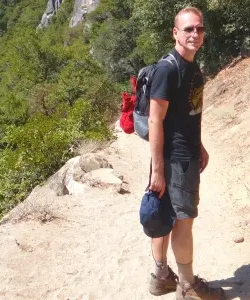
James Ian is a national park, camping and hiking expert.
He has dedicated his life to travel, visiting more than 80 countries, all 7 continents and most of the national parks in the United States. With over 35 years experience in the travel industry, James has worked on cruise ships, at resorts and hotels, and as a travel planner who’s helped hundreds of people plan successful trips to US national parks.
Based on his experience visiting our national parks multiple times, in-depth research and expertise as a travel planner, James has published detailed itineraries for many of the major national parks in the US. These itineraries, as well as in-depth park guides, and other resources will help you have your own incredible trip to US national parks without stress and hassle.
As a national park expert, James has contributed to many publications, including USA Today, Newsweek, Time Business News, Savoteur, Best Trip, and Wired.
I’m a member of the Amazon Services LLC Associates Program. As an Amazon Associate I earn from qualifying purchases.