
Mount Rainier National Park is one of the most spectacular parks in the Pacific Northwest – a land of glaciers, wildflowers, waterfalls, and alpine trails that seem to touch the sky.
But even in summer, the weather around this 14,411-foot volcano can shift fast – think sunshine one minute, fog or sleet the next.
If you’re visiting Mount Rainier for the first time in summer, packing properly will make all the difference between an unforgettable trip and a soggy one.
This complete list includes everything you’ll need for hiking, scenic drives, and exploring the park’s five regions – Paradise, Sunrise, Longmire, Ohanapecosh, and Carbon River.
No time right now to get your complete summer Mount Rainier packing list? Pin It and save it for later:
There is a free downloadable Mt Rainier packing list with everything you need, plus an item-by-item breakdown if each item. I mention when I think they’re necessities and when they are recommended things to bring that will make your vacation more comfortable. And, if you see something on the list that you don’t have, you can get it right here.
Table of Contents
Essentials & Planning Basics
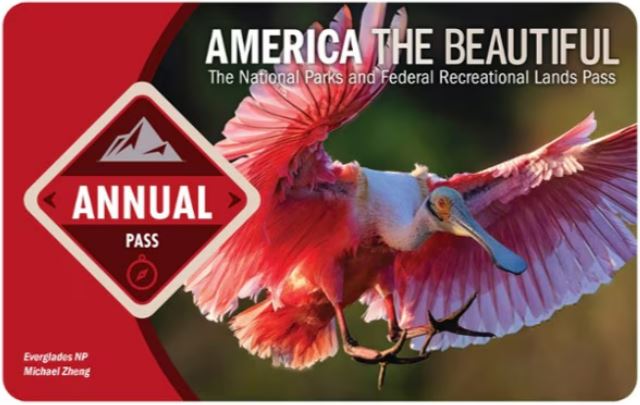
1. America the Beautiful Pass or Park Entrance Receipt
Mount Rainier requires an entry fee, and the annual America the Beautiful pass covers it plus every other U.S. national park. It’s especially worth it if you’re also visiting Olympic or North Cascades. Keep your receipt or pass visible on your dashboard at trailheads.
2. Timed-Entry Reservation (if required)
Mount Rainier often implements timed-entry reservations for Paradise and Sunrise during summer. Print or download your confirmation since cell service can disappear at higher elevations. Showing proof of entry avoids long delays at the gates.
➡️ You can also get a sleeve here to keep your pass in that will also make it more beautiful (don’t put stickers on your pass as it can invalidate it).
Check my Guide to National Parks Passes for more pass options.
➡️ Learn all about Mount Rainier reservations here.
3. Paper Map or Offline GPS App
Many park roads lack signal, so a physical map or offline download (like Gaia or AllTrails) is essential. It’s easy to miss a turnoff, especially around the Paradise or Sunrise loop roads. Always know where you are before setting out on a hike.

4. Reusable Water Bottle (1–2 liters)
You’ll need plenty of hydration for long hikes and high-elevation climbs. Glacier meltwater streams look inviting but aren’t safe to drink untreated. Carry reusable bottles to refill at visitor centers or campgrounds. I really like Hydro Flasks.

5. Lightweight Daypack (20–25L)
A sturdy daypack keeps your layers, food, and camera organized. Look for one with a chest strap and hip belt for stability on steep trails. Choose a pack with side pockets for easy water access.

Weather & Sun Protection
6. High-SPF Sunscreen
Even though Mount Rainier often feels cool, UV exposure at altitude is intense. Apply sunscreen liberally, especially on exposed trails like Skyline and Fremont Lookout. Reapply every two hours – mountain sunburns sneak up fast.

7. Lip Balm with SPF
The dry alpine air and strong sun can chap your lips quickly. Keep one in your pocket or backpack and reapply often. It’s a small item that makes a big difference.

8. Polarized Sunglasses (UV-blocking)
The glare from snowfields and ice is blinding in summer. Polarized sunglasses protect your eyes and help you spot distant peaks more clearly. They’re a must-have for all high-elevation viewpoints.

9. Wide-Brim Sun Hat or Cap
Many of Rainier’s trails, like Sunrise Rim or Naches Peak Loop, are fully exposed. A hat shields your face and neck from direct sun. Choose a breathable, quick-dry material.

10. Lightweight Rain Jacket
Afternoon showers and mist can roll in unexpectedly. A packable rain jacket is your best friend on hikes and scenic drives alike. Even in sunshine, it blocks wind at high elevations. Get one that’s waterproof and breathable.

Hiking & Adventure Gear
11. Waterproof Hiking Boots
Trails can be muddy, snowy, or rocky — sometimes all in one hike. Waterproof boots keep your feet dry during snowmelt crossings. Good traction is especially important for routes like Skyline Trail or Mount Fremont.

12. Moisture-Wicking Hiking Socks (merino or synthetic)
Wet socks mean blisters — and nothing ruins a hike faster. These dry fast and cushion your feet on steep descents. Bring an extra pair in case one gets damp.

13. Trekking Poles
They make steep climbs easier and help with balance on rocky or snowy terrain. Poles reduce stress on knees during downhill sections. Particularly useful on switchbacks near Paradise and Sunrise.

14. Microspikes or Traction Cleats (optional)
Even in July, snow lingers on high-elevation trails. Lightweight traction cleats slip over hiking shoes for stability on icy patches. Check trail conditions before you go — they’re not always needed, but you’ll be glad to have them if it’s slick.

15. Gaiters (lightweight, water-resistant)
Keeps snow, gravel, and mud out of your boots. They’re especially useful on melting snowfields or early-season hikes. Bonus: they protect your socks from getting filthy.

16. Small First-Aid Kit
Include band-aids, antiseptic wipes, and moleskin for blisters. It’s lightweight but can save your day. Pack it where you can easily reach it on the trail.

17. Trail Map or Hiking Guidebook
Many Rainier trail junctions are sometimes unmarked, especially near forested sections. A paper map helps you plan routes based on distance and elevation. A small guidebook also gives context on wildlife and wildflowers.

18. Headlamp or Flashlight (with spare batteries)
Long summer days don’t mean endless light — fog can descend fast. A headlamp is essential for early morning starts or late evening returns. Always bring extra batteries just in case.

19. Snacks & High-Energy Food
Granola bars, trail mix, jerky, and fruit give quick energy on long hikes. You won’t find food inside the park except at a few visitor centers. Keeping snacks handy prevents fatigue at higher elevations.

20. Reusable Food Containers or Zip Pouches
Ideal for packing lunches without creating waste. Hard containers prevent sandwiches from getting crushed. They also double as food storage for shorter hikes.

Layering for Mountain Weather
21. Fleece Jacket or Mid-Layer
Temperatures can drop 30°F between trailheads and peaks. A fleece provides lightweight warmth under a rain jacket. It’s essential for mornings at Paradise or after sunset.

22. Light Puffer Jacket (packable)
Even in summer, it can feel wintery near glaciers or shaded valleys. A compressible puffer fits easily into your daypack. You’ll be grateful for it during sunrise photo sessions.


23. Base Layers (long-sleeve top & leggings)
Perfect for dawn hikes or unexpected cold snaps. They wick moisture and trap warmth without adding bulk. Merino wool versions resist odor even after long days on the trail.


24. Quick-Dry Hiking Pants or Leggings
Cotton stays damp in mountain humidity. Quick-dry materials keep you comfortable after rain or snow patches. Stretchy leggings work great under rain shells.


25. Shorts (for lower-elevation trails)
Some trails, like Grove of the Patriarchs or Silver Falls, can be warm in summer. Lightweight, breathable shorts are great for forest hikes. Always check weather before deciding what to wear.


26. Warm Hat or Beanie
Evenings cool down fast — sometimes below 40°F. A beanie keeps body heat from escaping, especially if you’re camping or stargazing. Small but essential for comfort.

27. Gloves or Lightweight Mittens
Wind and altitude can chill your hands quickly. Thin gloves protect from cold without overheating. Perfect for photography or hiking at high elevation.

Photography & Electronics
28. Camera (or phone with wide-angle lens)
Rainier’s massive scale deserves a camera that captures it properly. Wide-angle shots are stunning on the Skyline Trail or Reflection Lakes. Bring a small case to protect it from dust and rain.

29. Extra Memory Cards & Batteries
You’ll take hundreds of photos of wildflowers, glaciers, and waterfalls. Batteries drain faster in cool weather — keep spares warm in your jacket. Extra memory ensures you won’t have to delete old shots mid-hike.

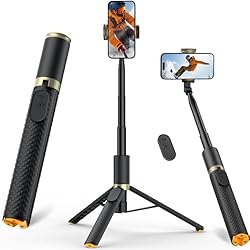
30. Tripod (lightweight or mini)
Perfect for long-exposure waterfall photos or sunset shots of the mountain. A small tripod fits easily in a daypack. Also great for time-lapse videos.
31. Lens Cloth or Cleaning Wipes
Mist and dust can ruin photos fast. Keep a few microfiber cloths handy for quick cleaning. You’ll use them more often than you think.

32. Portable Power Bank or Solar Charger
There are no outlets on the trail, and camping spots are limited on power. A power bank keeps phones, cameras, and GPS devices charged. Solar chargers are great for multi-day trips.

Camping & Outdoor Comfort
33. Tent with Full Rainfly & Footprint
Even if the forecast looks clear, mountain storms can appear suddenly. A sturdy tent with a full rainfly keeps you dry in heavy rain or dew. Always use a groundsheet to protect the tent floor.

34. Sleeping Bag (30–40°F rated)
Nights in Rainier can be cold even in July. A three-season bag is ideal for most summer conditions. Choose one with a hood for extra warmth.

35. Sleeping Pad or Inflatable Mattress
Insulates you from the cold ground and adds comfort. It’s especially helpful on rocky or uneven tent pads. A good night’s sleep keeps you ready for long hikes.

36. Camping Stove or Jetboil
Great for boiling water or making morning coffee. Fuel canisters are available near the park entrances but may sell out mid-summer. Always follow fire restrictions before lighting up.

37. Reusable Dishware & Utensils
Reduces waste and makes cleanup easy. Lightweight camping dishes save space in your pack. Bring biodegradable soap for washing up.


38. Bear-Resistant Food Container (or bear box)
Required in some backcountry areas and strongly recommended everywhere. It protects your food and keeps wildlife safe. Most campgrounds provide bear boxes but bring your own if backpacking.

39. Camping Chair or Compact Stool
Perfect for relaxing by your campsite or taking in a sunset view. Lightweight models pack easily into the car. Comfort counts after long hikes.

40. Lantern or Headlamp (for camp use)
Campsites are pitch-dark after sunset. A lantern gives soft light for cooking or reading. Rechargeable versions are eco-friendly and convenient.

Toiletries & Health
41. Biodegradable Soap / Shampoo
Keeps waterways clean and follows Leave No Trace ethics. A small bottle lasts for an entire trip. Use only in designated wash areas.

42. Hand Sanitizer & Wet Wipes
Many restrooms lack running water. Wipes help clean up after dusty hikes or picnics. Choose unscented types to avoid attracting wildlife.


43. Toothbrush, Toothpaste & Deodorant
The basics — but easy to forget when camping. Compact travel-size versions save space. Keep them in a waterproof toiletry bag.


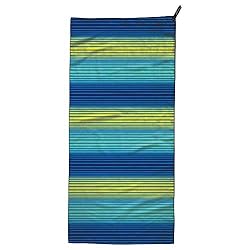
44. Quick-Dry Towel
Ideal for campsite showers or wiping off morning dew. Dries fast in humid alpine air. Choose a microfiber version that packs small.
45. Insect Repellent
Mosquitoes and biting flies can appear near meadows and lakes. Apply before hikes in wetter areas like Ohanapecosh. A small spray bottle is enough for several days.

46. Pain Relievers & Blister Care Items
Altitude, sun, or long hikes can cause headaches and sore muscles. Bring ibuprofen or acetaminophen, plus blister patches. They’re small but make a big difference in comfort.


47. Personal Medications
Always carry prescriptions in original containers. Refill before traveling — nearby pharmacies are limited. Keep a copy of your prescriptions just in case.

48. Small Trash Bags or Zip Bags
Pack out everything, including food wrappers and tissues. Mount Rainier is pristine – help keep it that way. Double-bag anything that might leak.

49. Laundry Bag or Packing Cubes
Keeps dirty and clean clothes separate. Helpful for multi-day trips and hotel stops between hikes. Makes unpacking easier at each location.

50. Notebook or Travel Journal
Mount Rainier has a way of inspiring reflection. Jot down trail names, wildlife sightings, or memories from your trip. You’ll love reading it years later when you return.

Get your printable Mount Rainier packing checklist
Download a free checklist of this Mount Rainier summer packing list so you can print it out and check it off to make sure you take everything you need.
Mount Rainier’s summer season is short but spectacular – wildflowers bloom, glaciers glisten, and the views are endless. But weather changes quickly, so always layer up, carry rain protection, and start hikes early to avoid afternoon clouds and crowds.
With this list, you’ll be ready for everything – from sunrise at Sunrise to sunset at Paradise.
Knowing what to pack for Mount Rainier National Park is a very important step in planning your trip, and I hope this packing list helped.
However, as I’m sure you’re very aware, this is just one thing of many to decide. You also need to make a actual plan for your trip.
In fact, the thing that most people ask me about is how to create an actual itinerary that makes sense. They worry about how to minimize the crowds, what to do – and when – and how to coordinate it all.
To help take away the overwhelm of planning a trip to Mount Rainier National Park, I’ve created several super detailed itineraries.
Without them, people often feel stressed about planning their trip. With them, they have the confidence of getting all the info they need in one spot. Plus, there’s flexibility built in, so they can easily adapt them to their own interests and activity levels.
There are 1-, 2-, and 3- day options for Mount Rainier National Park: all with detailed hour-by-hour schedules, including alternatives for different activity and fitness levels, plus trail maps and descriptions, driving instructions, important information, essential tips, and everything else you need to make the most of your time in Mount Rainier National Park.
Have a great trip!
Do you have any other thing to include on your packing list for Mount Rainier National Park that’s not here? Join my private Facebook group National Parks Collectors and comment and let me know (you can also pick up extra planning tips, share your photos and stories with other national park lovers and more).
If you’re not quite ready to start packing, save this Mt Rainier Packing List to your Packing Lists and Mount Rainier Pinterest board!
More Packing Lists
🥾 Day Hikes
👣 Hiking Gear for Beginner Hikers
🏔️ Winter Hikes
⛺ Tent Camping
🌲 National Parks Essentials
❄️ Winter Vacations
🚗 Road Trips
🏖️ Beach Camping
🔥 Cabin Vacations
💡 Are you just starting to think about taking a national parks trip? Get Inspiration
‼️ Are you looking for helpful tips for visiting US national parks? Read articles that share useful tips on a range of national-park related issues
💻 Are you starting to plan a trip to Mount Rainier National Park? Read my Guide to Mount Rainier National Park
📋 Do you want a ready-made super detailed plan for your trip to Mount Rainier? Get a detailed 1 – 3-day Mt Rainier National Park Itinerary
💲 Are you ready to book your trip? Use these Planning and Booking Resources
📖 Do you want to read a book about US national parks? Check out my Recommended Reading Lists
About the Author
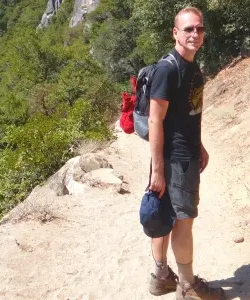
James Ian is a national park, camping and hiking expert.
He has dedicated his life to travel, visiting more than 80 countries, all 7 continents and most of the national parks in the United States. With over 35 years experience in the travel industry, James has worked on cruise ships, at resorts and hotels, and as a travel planner who’s helped hundreds of people plan successful trips to US national parks.
Based on his experience visiting our national parks multiple times, in-depth research and expertise as a travel planner, James has published detailed itineraries for many of the major national parks in the US. These itineraries, as well as in-depth park guides, and other resources will help you have your own incredible trip to US national parks without stress and hassle.
As a national park expert, James has contributed to many publications, including USA Today, Newsweek, Time Business News, Savoteur, Best Trip, and Wired.
I’m a member of the Amazon Services LLC Associates Program. As an Amazon Associate I earn from qualifying purchases.