
Montana’s parks – especially Glacier National Park and the Montana side of Yellowstone – deliver everything from alpine meadows to roaring waterfalls, icy lakes, and wide-open plains.
But with all that beauty comes unpredictable weather: you can experience sun, wind, rain, and even snowflakes all in one day.
If you’re visiting Montana for the first time in summer, packing right is key. This list covers everything you’ll need for comfort, safety, and adventure – whether you’re driving the Going-to-the-Sun Road, hiking to Hidden Lake, or spotting wildlife in Lamar Valley.
No time right now to get your complete Montana packing list (summer essentials)? Pin It and save it for later:
There is a free downloadable Montana packing list with everything you need, plus an item-by-item breakdown if each item. I’ve mentioned when I think they’re essential and when they’re recommended things to take that will make your vacation more comfortable. And, if you see something on the list that you don’t have, you can get it right here.
Table of Contents
Essentials for Planning & Travel
1. America the Beautiful Pass
Both Glacier and Yellowstone require entrance fees, and if you plan to visit both, this pass will save you money and time at the gates. It covers entry for one vehicle for a full year. Buy it online or at the first park you visit.
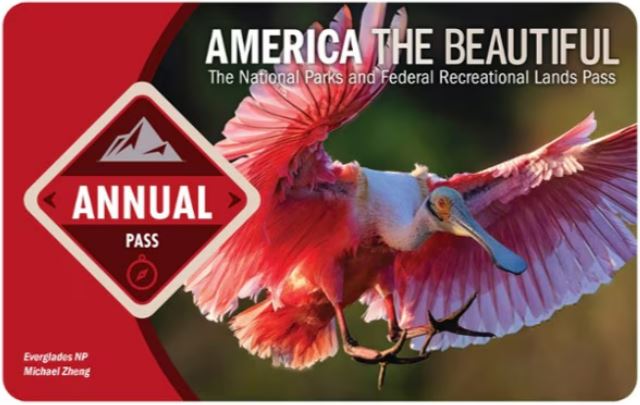
➡️ You can also get a sleeve here to keep your pass in that will also make it more beautiful (don’t put stickers on your pass as it can invalidate it).
Check my Guide to National Parks Passes for more pass options.
2. Printed Reservations & Park Permits
Cell service drops often in Glacier, especially along Going-to-the-Sun Road. Print your lodging, vehicle entry, and shuttle permits ahead of time to avoid any access issues. Keep them together in a waterproof folder for easy access.
3. Offline Maps or GPS Device
Montana’s remote roads can confuse even the best GPS apps. Download offline maps through Google Maps or AllTrails before your trip. Paper maps are also helpful if your phone dies in the backcountry.

4. Reusable Water Bottles
Altitude, sun, and dry air will dehydrate you faster than you expect. Carry at least two bottles so you can refill one while drinking from the other. Glacier and Yellowstone both have refill stations at major trailheads and visitor centers. I really like Hydro Flasks.

5. Travel Insurance & Emergency Contacts
Rural Montana hospitals are spread out, so it’s smart to have travel insurance that covers evacuation. Keep emergency contact numbers written down – not just on your phone. It’s peace of mind you’ll hopefully never need.
Road Trip & Car Essentials
6. Cooler with Ice Packs
You’ll be driving long distances between scenic stops, and a cooler keeps drinks and picnic items fresh. It’s also handy for storing groceries since many remote areas have limited food options. A soft-sided cooler fits easily in smaller rental cars.


➡️ If you want more options, check out my guide to Yeti coolers.
7. Binoculars
Wildlife viewing is one of Montana’s highlights – from bears and elk in Yellowstone to mountain goats in Glacier. A good pair of binoculars helps you enjoy the animals safely from a distance. You’ll also appreciate them for spotting distant waterfalls or peaks.

➡️ If you want more options, check out my guide to the best binoculars for the money.
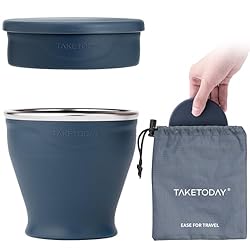
8. Reusable Travel Mug or Thermos
Early morning starts are the norm here, and a thermos keeps your coffee hot through long sunrise drives. You’ll appreciate it while waiting for that perfect alpenglow photo. It’s also great for tea or soup on chilly evenings.
9.Snacks and Trail Food
Services can be few and far between inside the parks. Pack energy bars, nuts, jerky, or fruit so you’re not reliant on park stores. Keeping a stash in the car helps prevent hunger during long drives or spontaneous hikes.

10. Car Charger or Multi-port Adapter
You’ll use your phone for photos, GPS, and trail maps – which drains the battery fast. A multi-port charger keeps everyone powered up. Glacier’s scenic road pullouts are too stunning to miss because your phone died!

Sun, Heat & Weather Protection
11. High-SPF Sunscreen (reef-safe, sweat-resistant)
Montana’s mountain sun is intense even when the air feels cool. UV rays reflect off lakes and snow patches, increasing exposure. Reapply often – you can get sunburnt at high elevation faster than you think.

12. Lip Balm with SPF
The combination of wind and altitude dries lips quickly. An SPF balm keeps them from cracking and peeling. Keep one in your pocket, another in your pack, and one in the car.

13. Wide-Brim Hat or Cap
Shade is rare on exposed alpine trails. A hat protects your face and neck during high-sun hikes like Hidden Lake or Iceberg Lake. Choose one with a chin strap for windy ridges.

14. Polarized Sunglasses
Montana’s light is bright and crisp – beautiful for photos but harsh on eyes. Polarized lenses reduce glare from lakes, snowfields, and car windshields. They’re a must-have for long outdoor days.

15.Light Rain Jacket (waterproof, breathable)
Afternoon thunderstorms are common in Glacier and Yellowstone. A waterproof jacket with pit zips keeps you dry without overheating. Even if it doesn’t rain, it blocks wind on mountain summits.

16. Sun Hoodie or Lightweight Long-Sleeve Shirt (UPF-rated)
A great alternative to slathering on sunscreen every hour. It’s cool, protective, and ideal for high-exposure trails. You’ll be glad for it in places like Logan Pass or the Lamar Valley.

17.Quick-Dry Pants or Shorts
You may well wade through snowmelt, streams, or rain puddles. Quick-dry fabrics keep you comfortable and ready for any condition. Convertible pants are great for changing temps.


Hiking & Adventure Gear
18. Daypack with Hip Belt (20–30L)
You’ll need to carry layers, food, and water on every hike. A pack with a hip belt distributes weight evenly and keeps shoulders happy.

19.Hydration Bladder (2–3L)
Perfect for longer hikes like Grinnell Glacier or Avalanche Lake. It’s easier to sip frequently without stopping. Staying hydrated helps you acclimate to the altitude.

20. Hiking Boots (waterproof, broken-in)
Trails can be rocky, muddy, or even snowy in July. Good traction and ankle support are vital. Waterproof boots also keep your feet dry crossing streams or melting snow.


21. Wool or Synthetic Hiking Socks
They wick moisture and prevent blisters. Cotton socks hold water and cause friction – avoid them. Bring several pairs, as creek crossings and sudden rain are common.

22. Trekking Poles
Useful for steep climbs and long descents, especially on trails like the Highline. They also help with stability on snow patches. Collapsible poles are easy to store when not needed.

23. Bug Spray or Wipes
Mosquitoes thrive in Glacier’s valleys and near lakes in July and August. A small bottle goes a long way toward preserving your sanity. Keep it handy for hikes or picnic stops.

24. Bear Spray
Carrying bear spray is mandatory in grizzly territory – and that’s all of Montana’s parkland. Keep it accessible on your belt or pack strap, not buried in your bag. You’ll likely never need it, but it’s absolutely essential.

25. First-Aid Kit with Blister Care
Include moleskin, antiseptic wipes, and bandages. Hiking in mixed terrain can lead to hot spots and scrapes. A few simple supplies can save your day – and your feet.

26. Emergency Whistle and Space Blanket
Lightweight safety gear that fits in any pack. Use the whistle to signal if you’re lost, and the blanket keeps you warm if weather changes unexpectedly. Montana backcountry is remote – never underestimate it.

27. Trail Map or Guidebook
A printed map helps with route-finding when apps fail. Many trail junctions in Glacier can be confusing. Having a guidebook adds context and helps you pick the best hikes for your ability.
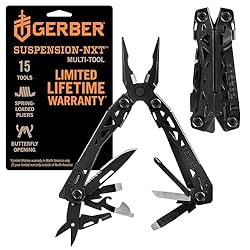
28. Multi-Tool or Pocket Knife
Comes in handy for cutting rope, food prep, or quick gear fixes. Choose one with scissors, tweezers, and a can opener. It’s one of those “you’ll wish you had it” items.
29. Gaiters (lightweight)
These are great for keeping snow, gravel, or rain out of your boots. Especially helpful on early-season hikes or wet meadows. They also protect your socks from mud.

30. Headlamp with Extra Batteries
Summer days are long, but early starts or evening wildlife watching often happen in dim light. A headlamp frees up your hands while cooking or setting up camp. Always pack spare batteries – it’s worth the space.

Clothing for Montana’s Changeable Climate
31. Fleece Jacket or Insulated Mid-Layer
Temperatures can drop 30°F when the sun sets. A fleece or lightweight puffer adds warmth without bulk. Layer it under a rain shell on chilly mornings.


32. Base Layers (top and bottom)
Even in summer, you might need them at Logan Pass or Yellowstone’s higher elevations. They trap heat and wick moisture during cool nights. Merino wool is ideal – light, soft, and odor-resistant.


33. Casual Clothes for Evenings
After a long hike, it’s nice to slip into something soft and clean. Jeans or casual pants work well for dinner in gateway towns like West Glacier or Gardiner. Pack a few mix-and-match outfits.


34. Swimsuit
Montana’s lakes and hot springs are tempting even when cold. Perfect for a dip at Boiling River or Lake McDonald. Quick-dry materials are best since the water is icy!

35. Warm Hat and Lightweight Gloves
Mountain mornings and nights can be cold, even in July. These take up little space but make a big comfort difference. Useful for sunrise viewing or high-elevation hikes.


36. Buff or Neck Gaiter
Multi-purpose: protects from sun, wind, and dust. Also keeps your neck warm in unpredictable weather. You’ll reach for it more than you think.

Tech & Photography Gear
37. Camera with Extra Memory Cards
Montana’s scenery deserves more than just phone photos. Bring a camera and backup memory cards – you’ll take hundreds of shots. Keep batteries warm in cooler temperatures.

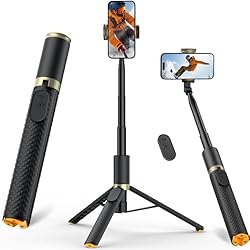
38. Tripod or Mini Tripod
Essential for sunrise, night sky, or waterfall shots. The Milky Way over Glacier is incredible in summer. A lightweight tripod won’t add much weight to your gear.
39. Lens Cleaning Kit
Montana’s dust, pollen, and wind can dirty lenses quickly. Carry microfiber cloths and cleaning fluid. Clear lenses mean sharper mountain shots.

40. Portable Power Bank or Solar Charger
Campsites often lack outlets. A power bank keeps phones, cameras, and GPS units charged for days. Solar panels are great for extended camping trips.

Camping & Outdoor Comfort
41. Tent with Rainfly and Stakes
Weather shifts quickly in the Rockies – one moment sunny, the next a downpour. A sturdy tent with a full rainfly keeps you dry and comfortable. Always stake it down; Montana winds can surprise you.

42. Sleeping Bag (30–40°F rated)
Even in summer, nights in Glacier can dip into the 40s. A midweight sleeping bag ensures you stay cozy. Choose one with a hood for extra warmth.

43. Sleeping Pad or Air Mattress
Insulates you from the cold ground and adds comfort. Rocky campsites are common – you’ll thank yourself for the cushioning. It also helps with warmth retention.

44. Compact Camping Stove or Jetboil
Perfect for boiling water or making coffee before a sunrise hike. Fuel availability can be limited, so bring an extra canister. Always check fire restrictions before using.

45. Reusable Food Containers & Utensils
Keeps food fresh and reduces waste. Montana’s parks emphasize Leave No Trace principles. Pack a reusable utensil set and collapsible bowl.

46. Cooler Bag for Picnics
Great for day trips to scenic picnic spots. Keeps fruit and sandwiches cool on long drives. Soft-sided versions are easy to pack away.
47. Camping Chair or Seat Pad
Ideal for sitting by the lake, watching wildlife, or stargazing. Lightweight and foldable models fit easily in the trunk. Comfort matters after a day of hiking!

Toiletries & Health
48. Biodegradable Soap / Shampoo
Keeps the parks’ waterways clean while you stay fresh. Most campgrounds have wash stations where eco-friendly soap is required. A small bottle goes a long way.

49. Hand Sanitizer & Wet Wipes
Restrooms aren’t always nearby. These keep hands clean before meals or after dusty hikes. Choose unscented wipes to avoid attracting wildlife.


50. Pain Relievers & Personal Medications
Altitude, dehydration, and long hikes can cause headaches or muscle soreness. Bring a small travel kit with your essentials. Always carry any prescriptions in their original containers.

Get your Montana summer packing checklist printable
Get a free downloadable pacing checklist so you can print it out and make sure you don’t accidentally miss something.
Montana summers bring blue skies, wildflowers, and crisp mountain air – but also unpredictable conditions. Always layer clothing, carry bear spray, and start hikes early to beat the crowds and afternoon storms.
With this packing list, you’ll be ready for everything from glacier-fed lakes to golden sunsets over Yellowstone’s valleys.
Have an amazing trip – see you in Big Sky Country!
Do you have any other thing to include on your summer packing list for Montana that’s not here? Join my private Facebook group National Parks Collectors and comment and let me know (you can also pick up extra planning tips, share your photos and stories with other national park lovers and more).
If you found this Montana road trip packing list helpful, Pin It to your Packing Lists and Montana Travel Pinterest board!
More Packing Lists
🥾 Day Hikes
👣 Hiking Gear for Beginner Hikers
🏔️ Winter Hikes
⛺ Tent Camping
🌲 National Parks Essentials
❄️ Winter Vacations
🚗 Road Trips
🏖️ Beach Camping
🔥 Cabin Vacations
💡 Are you just starting to think about taking a national parks trip? Get Inspiration
‼️ Are you looking for helpful tips for visiting US national parks? Read articles that share useful tips on a range of national-park related issues
💻 Are you starting to plan a trip to Glacier National Park? Read my Glacier National Park Guide
📋 Do you want a ready-made super detailed plan for your trip to Glacier? Get a detailed 1 – 5-day Glacier National Park Itinerary
💲 Are you ready to book your trip? Use these Planning and Booking Resources
📖 Do you want to read a book about US national parks? Check out my Recommended Reading Lists
About the Author
James Ian is a national park, camping and hiking expert.
He has dedicated his life to travel, visiting more than 80 countries, all 7 continents and most of the national parks in the United States. With over 35 years experience in the travel industry, James has worked on cruise ships, at resorts and hotels, and as a travel planner who’s helped hundreds of people plan successful trips to US national parks.
Based on his experience visiting our national parks multiple times, in-depth research and expertise as a travel planner, James has published detailed itineraries for many of the major national parks in the US. These itineraries, as well as in-depth park guides, and other resources will help you have your own incredible trip to US national parks without stress and hassle.
As a national park expert, James has contributed to many publications, including USA Today, Newsweek, Time Business News, Savoteur, Best Trip, and Wired.
I’m a member of the Amazon Services LLC Associates Program. As an Amazon Associate I earn from qualifying purchases.