
Grand Teton National Park is one of the most dramatic landscapes in the U.S., with jagged mountain peaks, alpine lakes, abundant wildlife, and wide-open valleys.
Summer is an incredible time to visit, but conditions can vary wildly — warm afternoons, chilly mornings, sudden storms, and mosquito-filled evenings are all common. Packing the right gear will help you stay comfortable, safe, and focused on enjoying the scenery instead of dealing with the weather.
This packing list is designed specifically for first-time visitors to Grand Teton in summer, whether you’re hiking, sightseeing, wildlife watching, or relaxing by a lake.
No time right now to get your complete Grand Teton Packing List? Pin It and save it for later:
There is a free downloadable Grand Teton gear list with everything you need, plus an item-by-item breakdown if each item. I mention when I think they’re necessities and when they are recommended things to bring that will make your vacation more comfortable. And, if you see something on the list that you don’t have, you can get it right here.
Table of Contents
Essentials
1. Park Pass
A park pass is required to enter Grand Teton National Park. The America the Beautiful Pass is a great option if you plan to visit Yellowstone as well. Keep your pass easily accessible for park entrance stations.
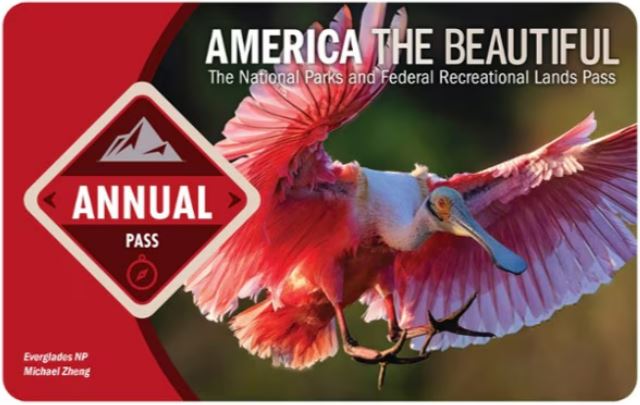
Get the America The Beautiful annual pass here.
Clothing
2. Long Underwear Bottoms / Base Layer
Even in summer, mornings and evenings in Grand Teton can be surprisingly cold. A lightweight base layer helps retain warmth without adding bulk. It’s especially useful for early morning wildlife viewing or high-elevation hikes.


3. Long Pants
Long pants protect your legs from sun, bugs, and brush along trails. They’re also useful for cooler temperatures and evenings. Quick-dry or lightweight hiking pants work best.


4. Rain Pants
Sudden rainstorms are common in the Tetons. Rain pants keep your legs dry during hikes or long scenic stops. They also block wind at higher elevations.

5. Insulating Layer (Sweater, Pullover, or Jacket)
Temperatures can change quickly throughout the day. An insulating layer provides warmth without being too heavy. You’ll likely wear this daily, especially in the mornings.


6. Insulated Jacket
Higher elevations and shaded areas can feel cold even in July or August. An insulated jacket is essential for chilly mornings, windy overlooks, and evening walks. Choose a packable version you can stash in your day pack.


7. Rain Jacket with a Hood
A hooded rain jacket is one of the most important items for Grand Teton. It protects you from rain, wind, and sudden temperature drops. Even on dry days, it works as a windbreaker near lakes and mountain passes.

8. Extra Vest, Jacket, or Upper Layer
Layering is key in the Tetons. An extra upper layer ensures you’re prepared if temperatures drop unexpectedly. It’s especially helpful for longer hikes or full-day outings.

9. T-Shirts
Comfortable, breathable shirts are perfect for warm afternoons. Moisture-wicking fabrics help keep you cool and dry. Bring multiple options so you can rotate between days.

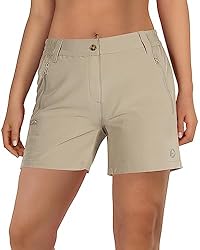
10. Shorts
On warm days, especially in lower elevations, shorts are far more comfortable. They’re great for lakeside walks, easy trails, and relaxing in camp or lodging. Choose styles that allow free movement.

11. Synthetic Underwear
Synthetic underwear dries faster and manages moisture better than cotton. This helps prevent chafing during long hikes. It’s a small detail that makes a big comfort difference.

12. Fleece Pants
Fleece pants are ideal for cool evenings or early mornings. They’re comfortable for sleeping, lounging, or stargazing. These are especially appreciated if you’re camping.

13. Swimsuit
Grand Teton has cold but refreshing lakes and rivers. A swimsuit is great for quick dips, paddling, or relaxing by the water. Even if you don’t swim, it’s useful for lakeside lounging.

14. Comfortable Outfit (Travel and Rest Days)
After long hiking days, you’ll want something soft and comfortable. A casual outfit is perfect for driving, dining, or relaxing at your accommodation. Comfort matters on multi-day trips.


Equipment
15. Day Pack
A day pack carries your layers, water, snacks, and safety items. Choose one that’s comfortable for several hours of hiking. Side pockets and chest straps are especially helpful.

16. Headlamp
Headlamps are useful for early morning starts and late evenings. They’re essential if you’re hiking near sunrise or sunset. Always bring spare batteries.

17. Hiking Poles
Hiking poles help with balance on uneven trails. They reduce strain on your knees during descents. They’re especially useful on longer or steeper hikes.

18. Trail Map
Cell service is unreliable in Grand Teton. A trail map helps you navigate confidently and plan routes. It’s an essential backup even if you use apps.

19. Emergency Paracord Bracelet
This compact tool provides cordage for emergency situations. It can be used for repairs, securing gear, or basic survival needs. Lightweight and easy to carry.

20. Cooler
A cooler keeps drinks and food cold during long drives and picnics. This is especially useful since services inside the park are limited. It also helps reduce food waste.

21. Solar Charger
A solar charger is helpful when outlets are scarce. It keeps phones, cameras, and GPS devices powered. Ideal for long days or camping trips.

22. Binoculars
Grand Teton is excellent for wildlife viewing. Binoculars allow you to observe animals safely from a distance. They’re especially useful for spotting moose, elk, and bears.

23. Camera and Camera Equipment
The Tetons are incredibly photogenic. A camera helps capture dramatic mountain views and wildlife moments. Extra batteries and memory cards are highly recommended.

24. Phone Chargers
Phones drain quickly when used for photos and navigation. Bring both wall and car chargers. A dead phone can mean lost maps and missed photos.

25. Emergency Whistle
An emergency whistle is a simple safety tool. It can help alert others if you’re lost or injured. It’s lightweight and easy to clip onto a pack.

Footwear
26. Hiking Boots or Hiking Sandals
Sturdy footwear is essential for rocky and uneven trails. Hiking boots provide ankle support, while hiking sandals are great for warm days and water crossings. Choose based on your hiking plans.


27. Good Socks
Quality socks reduce blisters and manage moisture. Wool or synthetic blends work best. Bring extra pairs in case they get wet.

Accessories & Personal Items
28. Lightweight Towels
These are useful for swimming, wiping off rain, or drying gear. Lightweight versions dry quickly and pack small. Great for both camping and lodging.

29. Chapstick
Mountain air can dry out lips quickly. Chapstick prevents cracking and discomfort. Keep it handy throughout the day.

30. Bug Spray
Mosquitoes can be intense near lakes and wetlands. Bug spray makes hikes and evenings far more enjoyable. Apply especially at dawn and dusk.

31. Sunscreen
High-altitude sun exposure is stronger than you might expect. Sunscreen protects against burns even on cooler days. Reapply regularly.

32. Winter Hat and Gloves
Yes, even in summer. Cold mornings and windy viewpoints can make these essential. They’re lightweight but incredibly useful.

33. Bear Spray
Grand Teton is bear country. Bear spray is essential for safety while hiking. Keep it easily accessible, not buried in your pack.

34. First-Aid Kit
A basic kit handles blisters, cuts, and minor injuries. Include bandages, antiseptic wipes, and pain relievers. This is especially important on longer hikes.

35. Fire Starter
Useful for emergencies or permitted camping situations. It provides an added layer of preparedness. Always follow fire regulations.

36. Hand Sanitizer
Restrooms aren’t always nearby. Hand sanitizer helps keep hands clean before eating. A small bottle goes a long way.

37. Travel Umbrella
An umbrella provides quick protection during light rain. It’s convenient for scenic stops and short walks. A compact version works best.

38. Travel Towel
A travel towel dries fast and packs small. Perfect for swimming or unexpected rain. Useful even on day trips.

39. Large Plastic Trash Bag
A trash bag helps keep your car and campsite clean. It’s also useful for wet or muddy gear. Leave No Trace principles apply everywhere.

40. Toothbrush
An easy-to-forget essential. Pack a travel version to save space. Fresh teeth feel great after long outdoor days.

41. Toothpaste
Necessary for daily comfort and hygiene. Travel-size tubes are perfect for road trips. Keep it sealed to avoid leaks.

42. Deodorant
After hiking and warm afternoons, deodorant is a must. Pack a reliable brand that lasts. You’ll appreciate it at the end of the day.

43. Brush
Wind and hats can tangle hair quickly. A small brush keeps things manageable. Especially useful after hikes.

44. Water Bottles or Hydration Backpack
Staying hydrated is critical at elevation. Carry enough water for every hike. A hydration backpack makes sipping easy while moving.

45. Healthy Snacks
Trail snacks keep your energy up between meals. Protein bars, nuts, and dried fruit work well. Always pack more than you think you’ll need.

46. Lip Protection with Sunscreen
Lips burn just like skin. SPF lip protection prevents painful sunburn. Reapply often.

47. Polarized Sunglasses
Reduce glare from water and snow-capped peaks. They protect your eyes and improve visibility. Especially helpful while driving scenic roads.

48. Bandana
A bandana is incredibly versatile. Use it for sun protection, sweat, dust, or cooling. It takes up almost no space.

49. Sunhat
A sunhat protects your face and neck during long days outdoors. Essential for exposed trails and scenic viewpoints. Choose one that stays secure in wind.

50. Cooling Neck Towel
I love these. If you’re hiking on a hot day, wet them before you go, keep an extra in a Zip lock bag, then put the wet ‘towel’ around your neck. They stay wet for a few hours and legit cool you down the entire time. They’re amazing!

Get your Grand Teton Checklist Printable
Knowing what to pack for Grand Teton National Park is a very important step in planning your trip, and I hope this packing list helped.
However, as I’m sure you’re very aware, this is just one thing of many to decide. You also need to make a actual plan for your trip.
In fact, the thing that most people ask me about is how to create an actual itinerary that makes sense. They worry about how to minimize the crowds, what to do – and when – and how to coordinate it all.
To help take away the overwhelm of planning a trip to Grand Teton National Park, I’ve created several super detailed itineraries.
Without them, people often feel stressed about planning their trip. With them, they have the confidence of getting all the info they need in one spot. Plus, there’s flexibility built in, so they can easily adapt them to their own interests and activity levels.
There are 1-, 2-, and 3- day options for Grand Teton National Park: all with detailed hour-by-hour schedules, including alternatives for different activity and fitness levels, plus trail maps and descriptions, driving instructions, important information, essential tips, and everything else you need to make the most of your time in Grand Teton National Park.
Have a great time on your Grand Teton trip!
Do you have any other thing to include on your packing list for Grand Teton that’s not here? Join my private Facebook group National Parks Collectors and comment and let me know (you can also pick up extra planning tips, share your photos and stories with other national park lovers and more).
If you found this Grand Teton packing list helpful, save it to your Packing Lists and Grand Teton boards!
More Packing Lists
🥾 Day Hikes
👣 Hiking Gear for Beginner Hikers
🏔️ Winter Hikes
⛺ Tent Camping
🌲 National Parks Essentials
❄️ Winter Vacations
🚗 Road Trips
🏖️ Beach Camping
🔥 Cabin Vacations
Are you just starting to think about taking a national parks trip? Get Inspiration
Are you starting to plan a trip to Grand Teton National Park? Read my Guide to Grand Teton National Park
Are you looking for a place to stay near Grand Teton National Park? Find an Airbnb near Grand Teton National Park
Are you ready to book your trip? Use these Planning and Booking Resources
Do you want to read a book about Grand Teton National Park? Check out my Recommended Reading List for Grand Teton National Park
About the Author
James Ian is a national park, camping and hiking expert.
He has dedicated his life to travel, visiting more than 80 countries, all 7 continents and most of the national parks in the United States. With over 35 years experience in the travel industry, James has worked on cruise ships, at resorts and hotels, and as a travel planner who’s helped hundreds of people plan successful trips to US national parks.
Based on his experience visiting our national parks multiple times, in-depth research and expertise as a travel planner, James has published detailed itineraries for many of the major national parks in the US. These itineraries, as well as in-depth park guides, and other resources will help you have your own incredible trip to US national parks without stress and hassle.
As a national park expert, James has contributed to many publications, including USA Today, Newsweek, Time Business News, Savoteur, Best Trip, and Wired.
I’m a member of the Amazon Services LLC Associates Program. As an Amazon Associate I earn from qualifying purchases.