
Few places in the U.S. feel as wild and breathtaking as Glacier National Park.
With turquoise lakes, alpine meadows, and the legendary Going-to-the-Sun Road, it’s a dream destination for hikers, photographers, and nature lovers alike.
But the park’s beauty comes with a catch – the weather can swing from warm sunshine to icy wind in minutes, and services are spread out across a vast, remote landscape.
If you’re visiting Glacier National Park for the first time in summer, packing well is essential.
This guide lists exactly what you’ll need – from clothing layers and trail gear to car essentials – so you can stay safe, comfortable, and ready to soak up every glacier-carved view.
No time right now to get your complete Glacier National Park packing list (summer essentials)? Pin It and save it for later:
There is a free downloadable packing list for Glacier National Park with everything you need for your trip, plus an item-by-item breakdown if each item. I mention when I think they’re essential and when they’re recommended to make your vacation more comfortable. And, if you see something on the list that you don’t have, you can get it right here.
Table of Contents
Essentials for Entry & Orientation
1. America the Beautiful Pass or Park Pass Receipt
National park entry fees can add up. This annual pass covers unlimited park visits for one year, so if you’re vising multiple parks in a year, it will save you money.
If you’re only visiting Glacier this year, you can get an entrance pass online and save time at the gate. Keep it handy for park gates and ranger checkpoints.
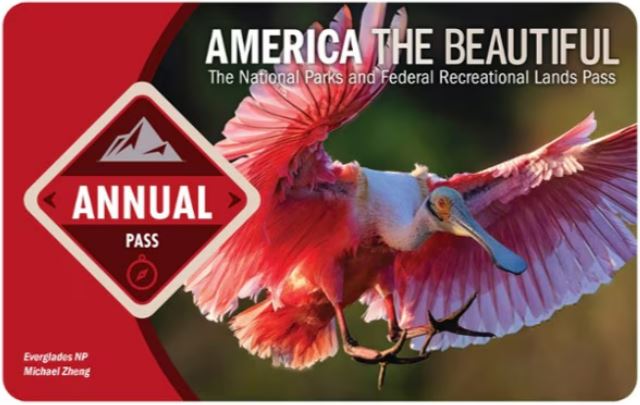
Get the America The Beautiful annual pass here.
2. Vehicle Reservation Confirmation (Going-to-the-Sun Road)
In summer, you’ll need an advance vehicle reservation to drive the scenic Going-to-the-Sun Road. Print or download it before arriving – cell service drops long before you reach the gate. Showing proof saves time and avoids being turned away.
➡️ Read my guide to the Glacier National Park reservation system for full details
3. Park Map or Offline GPS App

GPS signal is unreliable once you’re in the mountains. Download offline maps (like Gaia or AllTrails) before your trip. A paper map is also invaluable for planning hikes and knowing where you are on winding roads.
4. Reusable Water Bottle (1–2 liters)
The dry mountain air and altitude will dehydrate you faster than you think. Carry refillable bottles instead of relying on single-use plastic. There are water refill stations at major visitor centers and lodges. I really like Hydro Flasks.

5. Small Daypack (20–25L)
You’ll need a comfortable pack to carry layers, snacks, and water. Look for one with a hip belt for balance on longer hikes. A pack with external bottle holders makes refilling easy.

Sun & Weather Protection
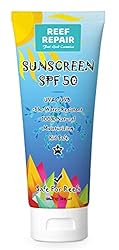
6. High-SPF Sunscreen (reef-safe)
At higher elevations, UV exposure is extreme – even on cloudy days. Apply generously before every hike and reapply during the day. Mountain sunburns happen faster than beach ones.
7. SPF Lip Balm
Wind and dry air combine to crack lips quickly. A balm with SPF keeps them protected on long hikes and windy summits. Keep one in your pocket for quick touch-ups.

8. Polarized Sunglasses
The glare off glaciers, snowfields, and alpine lakes can be intense. Polarized lenses protect your eyes and reduce strain during long scenic drives. They also help you spot wildlife in distant meadows.

9. Wide-Brim Sun Hat or Cap
Many Glacier and Logan Pass areas have little shade. A hat keeps your face, ears, and neck protected from high-elevation sun. Choose one that won’t blow off in mountain winds.

10. Lightweight Rain Jacket (waterproof & breathable)
Afternoon thunderstorms are common, especially in July and August. A rain shell keeps you dry without overheating. It’s also a great windbreaker on exposed trails.

Hiking & Adventure Gear
11. Waterproof Hiking Boots (broken-in)
Trails in Glacier often cross streams and melting snow patches. Waterproof boots keep your feet dry and provide traction on slick surfaces. Break them in before your trip to avoid blisters.


12. Merino or Synthetic Hiking Socks
Wool or synthetic blends wick away moisture and prevent blisters. Cotton socks trap sweat and cause friction — leave them at home. Bring several pairs since they dry slowly in mountain humidity.

13. Trekking Poles (collapsible)
Long, steep trails like Iceberg Lake or Highline Trail are much easier with poles. They reduce knee strain on descents and provide balance on rocky terrain. Collapsible versions fit easily into daypacks when not needed.

14. Gaiters (lightweight)
Keep gravel, snow, and mud out of your boots. They’re especially handy on early-season hikes when snowmelt turns trails soggy. A small pair weighs almost nothing but saves a lot of discomfort.

15. Microspikes or Traction Cleats (optional)
Snow lingers into July on some high-altitude routes. Clip-on traction gives stability on icy patches. Check trail reports before your trip to decide if they’re necessary.

16. Trail Map or Guidebook
Glacier’s network of trails is vast and sometimes confusing. A printed map helps you navigate when trail signs are covered in snow or faded. A small guidebook adds fun context about lakes, peaks, and wildflowers.

17. First-Aid Kit (including blister care)
Scrapes, bug bites, and blisters are part of mountain hiking. Pack band-aids, moleskin, and antiseptic wipes for quick fixes. You’ll be far from stores or clinics on most trails.

18. Bear Spray (non-negotiable)
Glacier is prime grizzly country – and park rangers expect every hiker to carry bear spray. Keep it accessible on your pack strap, not buried inside. You’ll probably never never need it, but it’s vital protection if you do.

19. Whistle & Emergency Blanket
These lightweight safety tools take up almost no space. A whistle can alert others if you’re separated or lost. The blanket retains heat and can even serve as an emergency shelter.

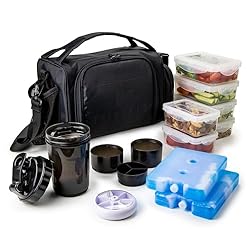
20. Refillable Food Container or Lunch Bag
Glacier’s picnic areas are perfect for mid-day breaks. Reusable containers keep your food protected and reduce waste. Store leftovers in your car or bear-safe bins after eating.
Layering for Mountain Weather
21. Fleece Jacket or Mid-Layer
Temperatures can drop sharply with altitude. A fleece provides reliable warmth without adding bulk. You’ll use it daily — even in July.


22. Lightweight Down or Synthetic Puffer Jacket
Sunrise at Logan Pass or evening around Many Glacier can be cold. A compressible puffer fits easily in your pack. It’s ideal for unpredictable alpine temperatures.


23.Base Layers (long-sleeve top & leggings)
For early mornings or windy summits, a moisture-wicking base layer is a game-changer. It traps heat close to your body while staying breathable. Merino wool versions resist odor on multi-day trips.


24. Quick-Dry Hiking Pants or Leggings
Trail conditions change fast – dusty one hour, muddy the next. Quick-dry materials keep you comfortable after rain or stream crossings. Stretchy fabrics allow full range of motion for steep climbs.


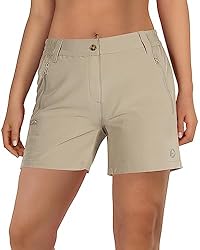
25. Hiking Shorts (for lower elevations)
Lower-elevation hikes around Lake McDonald can get hot in July. Lightweight shorts help you stay cool on sunny days. Pair them with breathable socks to prevent chafing.

26.Warm Hat or Beanie
Mornings in Glacier can dip into the 40s, even in midsummer. A beanie helps retain heat during sunrise or high-altitude hikes. It’s a small item that makes a big difference.

27. Light Gloves or Mittens
Mountain breezes can chill your hands while holding trekking poles or cameras. Lightweight gloves add just enough warmth without bulk. Choose water-resistant fabric for occasional drizzle.

Photography & Electronics
28. Camera or Smartphone with Wide-Angle Lens
Glacier’s scale is hard to capture — wide-angle shots help do it justice. Bring extra batteries; cold air drains them faster. Keep your camera in a padded case for bumpy drives.

29.Extra Memory Cards
You’ll take hundreds of photos – from alpine lakes to wildlife. Running out of space mid-trip is frustrating, so bring at least two backups. Store them in a waterproof holder.

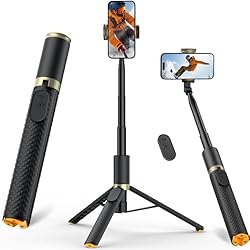
30.Mini Tripod or Gorillapod
Ideal for sunrise shots at Hidden Lake or sunset reflections at Lake McDonald. Small, flexible tripods are lightweight but stable. They also make it easier to take self-portraits without asking other hikers.
31.Lens Cleaning Kit or Microfiber Cloths
Mountain dust and mist can quickly fog your lenses. Clean gear means sharper, more vibrant photos. Keep a spare cloth in your pocket for quick access.

32. Portable Power Bank or Solar Charger
Many lodges and campgrounds have limited outlets. A power bank ensures your phone or camera stays charged. Solar chargers are great for long backcountry trips.

Camping & Outdoor Comfort
33.Tent with Full Rainfly
Glacier’s weather is famously unpredictable. A sturdy tent with a full rainfly keeps you dry in sudden downpours. Stake it down securely – mountain gusts can be strong.

34.Sleeping Bag (30–40°F rated)
Even in summer, nights can be cold. A midweight sleeping bag ensures comfort whether you’re in a tent or a rustic cabin. Choose one with a hood for extra warmth.

35. Sleeping Pad or Air Mattress
Adds comfort and insulation from cold ground. Rocky tent pads are common, especially at Apgar and Many Glacier campgrounds. You’ll sleep much better with one.

36. Compact Stove or Jetboil
Great for boiling water or making coffee before sunrise hikes. Fuel availability is limited near the park — bring an extra canister. Always cook in designated areas to avoid attracting wildlife.

37. Reusable Dishware & Utensils
Reduces waste and simplifies mealtime. Lightweight camping dishes are easy to clean and pack. Bring biodegradable soap for washing up responsibly.


38. Cooler for Food Storage
Perfect for keeping drinks and fresh food cold on long drives. Ice refills are available at park stores. Always store coolers in bear-safe lockers at night.

➡️ For more options, check my guide to the best Yeti coolers
39. Camping Chair or Seat Pad
Ideal for relaxing by the lake or around camp. Foldable, lightweight chairs pack easily into cars. Comfort after a long hike is underrated!

40. Lantern or Headlamp (with spare batteries)
Campsites are pitch-dark after sunset. A lantern helps with cooking and reading at night. Rechargeable versions are convenient for multi-day use.

Toiletries & Health
41. Biodegradable Soap / Shampoo
Keeps Glacier’s pristine waters clean. A small bottle is all you need for washing hands or dishes. Only use it in designated wash stations.

42. Hand Sanitizer & Wet Wipes
Trailheads and remote areas often lack restrooms. Wipes are great for quick cleanups on the go. Choose unscented ones to avoid attracting insects.


43. Toothbrush, Toothpaste & Deodorant
Standard essentials that are easy to overlook. Travel-size versions save space and weight. Keep them in a waterproof bag if camping.


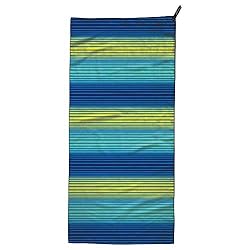
44. Quick-Dry Towel
Useful for showers, lakes, or morning dew. Microfiber towels pack small and dry fast. Perfect for campers and hotel guests alike.
45. Insect Repellent
Mosquitoes and horseflies can be aggressive near lakes and forests. Apply before dusk or in shaded areas. Reapply as needed after swimming or sweating.

46. Pain Relievers & Personal Medications
High altitude and long hikes can lead to headaches or sore muscles. Bring ibuprofen, band-aids, and any prescriptions you need. Pharmacies are far from most park lodges.

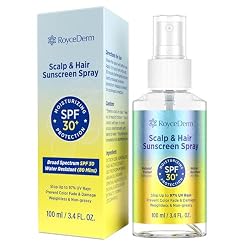
47. Sunscreen for Scalp & Ears
These easy-to-forget spots burn fast under strong mountain sun. A sunscreen stick works perfectly for touch-ups. It’s small but mighty for full protection.
48. Laundry Bag or Packing Cubes
Keeps clean and dirty clothes organized. Perfect for multi-day trips or road trips through multiple parks. Makes unpacking at lodges simple.

49. Small Trash Bags
“Pack it in, pack it out” is Glacier’s golden rule. Use small bags to carry out food wrappers and tissues. Keeping the park clean protects wildlife and preserves its beauty.

50. Notebook or Travel Journal
Glacier leaves a lasting impression – from wildlife sightings to sunset reflections. Jotting notes helps you remember where you’ve been and what you loved most. It’s a keepsake you’ll treasure long after your trip ends.

Get your printable Glacier packing list summer essentials checklist
Download this free checklist for packing for Glacier National Park in summer so you can print it out and use to make sure you have everything with you.
Glacier National Park is breathtakingly beautiful but wild, remote, and unpredictable. Expect chilly mornings, warm afternoons, and possible snow at high elevations even in July. Always layer up, carry bear spray, and start hikes early to beat crowds and afternoon storms.
With this list, you’ll be ready to experience everything — from sunrise at Logan Pass to sunset at Lake McDonald.
Knowing what to pack for Glacier National Park is a very important step in planning your trip, and I hope this packing list helped.
However, as I’m sure you’re very aware, this is just one thing of many to decide. You also need to make a actual plan for your trip.
In fact, the thing that most people ask me about is how to create an actual itinerary that makes sense. They worry about how to minimize the crowds, what to do – and when – and how to coordinate it all.
To help take away the overwhelm of planning a trip to Glacier National Park, I’ve created several super detailed itineraries.
Without them, people often feel stressed about planning their trip. With them, they have the confidence of getting all the info they need in one spot. Plus, there’s flexibility built in, so they can easily adapt them to their own interests and activity levels.
There are 1-, 2-, 3- and 4- day options for Glacier National Park: all with detailed hour-by-hour schedules, including alternatives for different activity and fitness levels, plus trail maps and descriptions, driving instructions, important information, essential tips, and everything else you need to make the most of your time in Glacier National Park.
Have a great time on your Glacier trip!
Do you have any other thing to include on your packing list Glacier National Park that’s not here? Join my private Facebook group National Parks Collectors and comment and let me know (you can also pick up extra planning tips, share your photos and stories with other national park lovers and more).
If you aren’t quite ready to start packing, save this Glacier National Park Montana packing list to your Packing Lists and Glacier National Park Pinterest boards!
More Packing Lists
🥾 Day Hikes
👣 Hiking Gear for Beginner Hikers
🏔️ Winter Hikes
⛺ Tent Camping
🌲 National Parks Essentials
❄️ Winter Vacations
🚗 Road Trips
🏖️ Beach Camping
🔥 Cabin Vacations
💡 Are you just starting to think about taking a national parks trip? Get Inspiration
‼️ Are you looking for helpful tips for visiting US national parks? Read articles that share useful tips on a range of national-park related issues
💻 Are you starting to plan a trip to Glacier National Park? Read my Glacier National Park Guide
📋 Do you want a ready-made super detailed plan for your trip to Glacier? Get a detailed 1 – 5-day Glacier National Park Itinerary
💲 Are you ready to book your trip? Use these Planning and Booking Resources
📖 Do you want to read a book about US national parks? Check out my Recommended Reading Lists
About the Author
James Ian is a national park, camping and hiking expert.
He has dedicated his life to travel, visiting more than 80 countries, all 7 continents and most of the national parks in the United States. With over 35 years experience in the travel industry, James has worked on cruise ships, at resorts and hotels, and as a travel planner who’s helped hundreds of people plan successful trips to US national parks.
Based on his experience visiting our national parks multiple times, in-depth research and expertise as a travel planner, James has published detailed itineraries for many of the major national parks in the US. These itineraries, as well as in-depth park guides, and other resources will help you have your own incredible trip to US national parks without stress and hassle.
As a national park expert, James has contributed to many publications, including USA Today, Newsweek, Time Business News, Savoteur, Best Trip, and Wired.
I’m a member of the Amazon Services LLC Associates Program. As an Amazon Associate I earn from qualifying purchases.