

Think winter means bundling up and battling snow? Not always.
In some U.S. national parks, winter is actually the perfect time to hit the trail – no snowshoes required.
In fact, many of the hottest parks in the country are practically unhikeable in summer. Triple-digit temps and relentless sun can make exploring downright dangerous.
But in winter? The weather cools off, the trails open up, and the red rocks, canyons, and desert blooms come alive under soft winter light.
This guide focuses on the best warm weather hikes for your winter adventures – trails that are often too hot in summer but absolutely ideal in winter. These are sunny, dry hikes where you’ll trade snowflakes for sunshine and fleece for T-shirts.
If you’re craving a winter hiking getaway without the frostbite, these are the parks and trails you don’t want to miss. Let’s dive into the top winter hikes in the warmest corners of the U.S. national parks system.
Table of Contents
9. Darwin Falls
Death Valley National Park
- Location: California
- Length: 2 miles | 3.2 km out and back
- Difficulty: Moderate
- Trailhead: The turnoff to Darwin Falls Road is 1.2 miles / 2 km west of Panamint Springs on CA-190. The trailhead is 2.5 miles/ 4 km down the road. A 4WD vehicle is recommended, but a regular vehicle can usually make it, too.
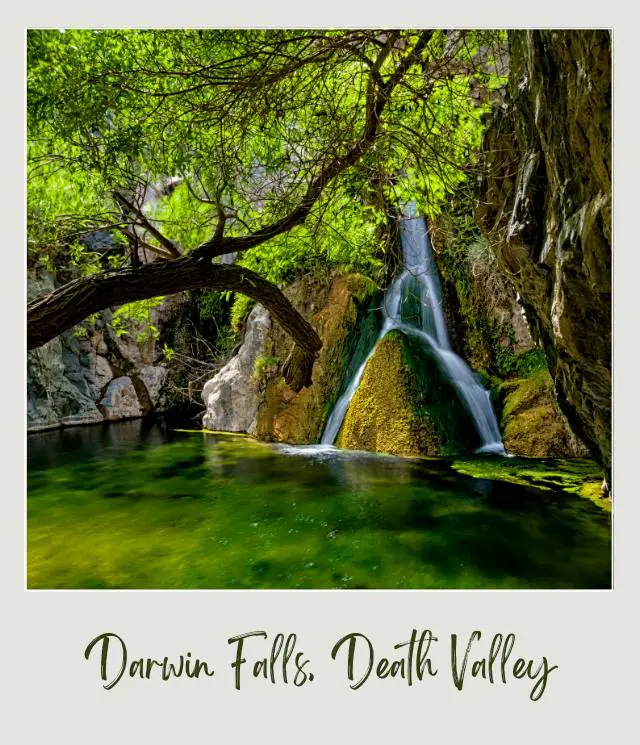
The trail to Darwin Falls is one of the best winter hikes in Death Valley. When you think of Death Valley, you probably think of the heat, salt flats, sand dunes and badlands. But one of favorite California winter hikes is to this hidden oasis. The waterfall cascades over rocks and ferns into a green pool of water.
To reach this secret oasis, from the trailhead, pass the gate and follow the wash through a narrow canyon. The unmarked trail will have you dodging past scrubby bushes, scrambling over rocks and even crossing a stream. The adventure ends in a small oasis with the beautiful waterfall in front of you.
Why Winter?
Darwin Falls are beautiful and Death Valley is a fascinating national park to explore. However, it is also the hottest place on the planet! You do not want to be there when the temperature regularly exceeds 120°F! Winter temperatures are actually pleasant, and this is the high season for Death Valley.
Insider Tips:
- Although you may be tempted to swim, there is actually no swimming allowed in order to protect the environment.
Highlights:
- Hidden oasis
- A fun interactive hike
- Beautiful waterfall
READ MORE: Guide to Death Valley National Park and Best Hikes in Death Valley
8. Hall of Mosses
Olympic National Park
- Location: Washington
- Length: 1.1-mile loop
- Difficulty: Easy
- Trailhead: Near the Hoh Rain Forest Visitor Center at the end of Hoh Valley Road
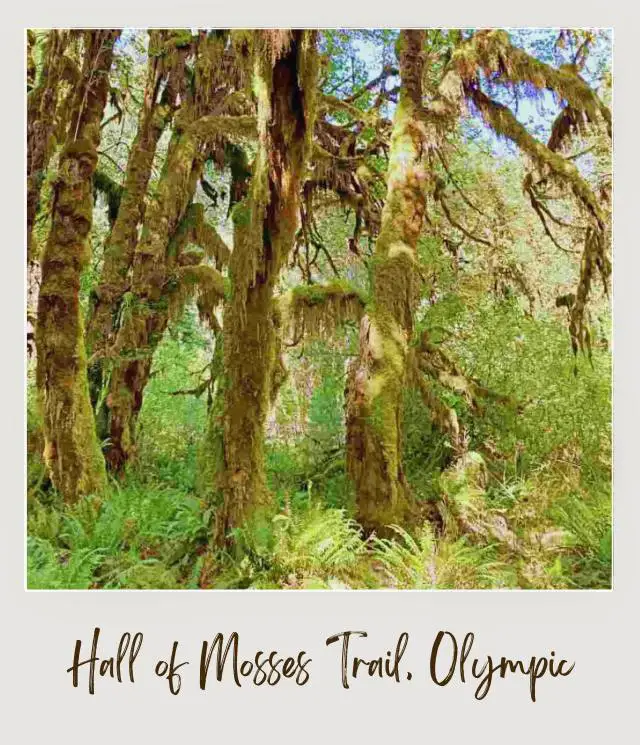
If you’ve never been to the rainforests of Washington before, the best winter hikes Olympic National Park has are there. And the Hall of Mosses is an excellent chance to take in its grand trees, hanging mosses, and fecund plant life in the Hoh Rainforest, a UNESCO Biosphere Reserve.
The trail focuses more on exploring your beautiful surroundings, rather than traversing challenging terrain, and as such, is perfect for hikers of all varieties, including kids.
Be sure to keep a lookout for wildlife on the trail – Roosevelt elk are especially common along the nearby Elwa River.
Why Winter?
Winter is an excellent time to explore this area – the crowds of summer have thinned, the winter rains of the Pacific Northwest have the forest looking green and lush, and the forest’s location by the coastline and the Olympic Mountains ensures that, while the weather may be cool, it’s rarely freezing.
Insider Tips:
- The Pacific Northwest frequently has misty weather in the wintertime, so come prepared with a waterproof jacket and boots you don’t mind getting a bit muddy.
- While winter is the quietest time in Olympic, Hall of Mosses is one of the best winter hikes in Olympic National Park and the Hoh Rainforest is one of the most popular stops in the park. So, if you’d like the trail all to yourself, consider showing up early or later in the afternoon to enjoy the forest in solitude.
Highlights:
- Don’t miss the short branch off to Maple Grove, a collection of moss-covered maple leaf trees, towering overhead.
Recommended by Jessica Schmidt from Uprooted Traveler
READ MORE: Olympic National Park Guide
7. Shark Valley Trail
Everglades National Park

- Location: Florida
- Length: 15.5 miles / 25 km
- Difficulty: Easy
- Trailhead: Shark Valley Visitor Centre
Shark Valley Trail is a beautiful hike located in the heart of the Everglades. The trail is a loop so you can easily park and return to your car via a different route.
While you can hike the trail many people choose to go by bike since the path is wide and paved in most parts.
Keep an eye out for birds and other wildlife. The highlight of the trail is definitely the Observation Tower which provides stunning views over the nearby national park.
Why Winter?
Wintertime is the perfect time to visit the Everglades as the humidity is low, there is little rain, and temperatures are comfortable. It can get a bit cooler during this time but if you’re hiking this will be a lot less exhausting.
Insider Tips:
- Bring plenty of water and appropriate hiking gear. The hike may not be difficult but it is quite long, so always come prepared.
- Visit in the early morning and during the week as the trail gets quite crowded on the weekends.
Highlights:
- Mangrove Forests
- Observation Tower
Recommended by Victoria Heinz from Guide Your Travel
READ MORE: Best National Parks to Visit in Winter
6. Pu’u Loa Trail
Volcanoes National Park
- Location: Hawaii (Big Island)
- Length: 1.4 miles roundtrip
- Difficulty: Easy
- Trailhead: Located in the lower section of the park . Driving on the Chain of Craters road about 20 miles south, follow the sign to the parking area of Pu’u Loa and you will find the trailhead just to the left side of the parking area.
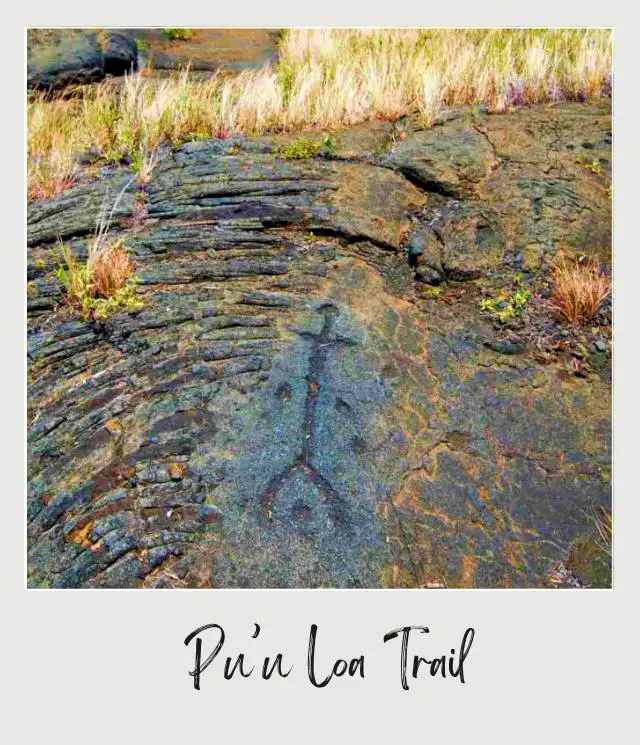
One of the best national parks to visit in Hawaii is on the Big Island at Volcanoes National Park. The hiking trail at Pu’u Loa is both historic and unique. The trail crosses through a lava field and ends at an area where there are thousands of petroglyphs.
The area has great historic and cultural significance for Hawaiians, who have always traveled from around the island to visit Pu’u Loa to bring their newborn child’s umbilical cord to bury under these petroglyph carvings. Pu’u Loa means “Long Life” in Hawaiian and this traditional rite of passage ensures the child’s healthy growth and a long life for their newborn child. This connection to family and land in this spiritual part of the island is a ritual that still occurs today.
It is an amazing sight to see thousands of these shallow petroglyphs that were dug up to perform this ritual.
Much of the trail is on an elevated boardwalk, which helps protects the fragile environment and keeps visitors from wandering off to other locations in this remote part of the park.
Why Winter?
Winter time is a great time to visit the national park with cooler temperatures, less crowds and the ease of visiting the park and surrounding area.
Insider Tips:
- Winter time has relatively mild weather on the Big Island and is even cooler in the Volcano area, but it changes daily so wearing layers is always key in the park.
- The trail is exposed with no trees, so during sunny days, bring hats and coverings even in winter.
Highlights:
- Petroglyphs
Recommended by Noel Morata from This Hawaii Life
5. Pa-Hay-Okee Trail
Everglades National Park

- Location: Florida
- Length: 0.5 miles
- Difficulty: Easy
- Trailhead: To get to the trail enter the Park at the Ernest F. Coe Visitors Center near Homestead. After entering the park, drive 13 miles on the only road there is to reach the trailhead which is well-marked on the north side of the road.
There are several national parks with trails that are ideal for hiking in the winter and the Pa-Hay-okee Overlook Trail in Florida’s Everglades National Park is one of them – and ideal for families with young children to visit.
The loop trail itself is very short and the elevated boardwalk keeps hikers dry during the wet season. The primary attraction here is that it is one of the only places to observe local migratory and nesting birds in the area year round.
The view from the observation deck is stunning, giving you an appreciation for this part of the Everglades.
Why Winter?
This is the marshy part of the Everglades and a great example of the slow-moving Everglades river of grass. Hiking here during the winter months has the advantage of lower temperatures and humidity – so, fewer bothersome insects and no blazing hot sun or afternoon thunderstorms.
Insider Tips:
- The loop is wheelchair accessible but there are no restrooms. Be sure to bring water, bug spray, binoculars, and a camera.
Highlights:
- Great panoramic view from the elevated observation deck
- The boardwalk keeps your feet dry and out of the mud
- Perfect for families with small children
Recommended by Lori Sorrentino from Travlinmad.com
4. Pipiwai Trail
Haleakala National Park

- Location: Hawaii (Maui)
- Length: 3.8 miles
- Difficulty: Moderate
- Trailhead: Kipahulu district of Haleakala National Park (east side entrance)
This out-and-back trail in Maui’s Haleakala National Park is the perfect winter hike for those looking for a tropical getaway!
The Pipiwai Trail is the highlight of the east side of Haleakala National Park! You’ll begin the hike near sea level and climb about 800 feet of elevation through a tropical forest.
Along the trail you’ll pass waterfalls, a giant bonsai tree, and a serene bamboo forest before culminating your hike at the stunning Waimoku Falls. This waterfall flows over 400 feet of sheer lava rock down to a clearing below. Pack some snacks or your lunch and enjoy the views of the falls before packing up and hiking back out.
If you have energy at the end of the hike, add on the 0.5-mile Kuloa Point Trail, which shares a trailhead with the Pipiwai Trail. Kuloa Point will take you past the famous Oheo Pools (also known as the Seven Sacred Pools), several Hawaiian cultural sites, and along the ocean shoreline.
Why Winter?
Due to Maui’s temperate climate, the weather is warm and mild year-round, so you can enjoy this hike no matter the time of year.
Insider Tips:
- Arrive early to beat the crowds! This is a popular hike (for good reason) and the nearby parking lots will begin to fill up by mid-morning, even in winter.
Highlights:
- Bonsai tree (0.6 miles in)
- Bamboo forest (1.0 miles in)
- Waimoku falls (1.9 miles in)
Recommended by Jen Bourbon from Glasses and Boarding Passes
READ MORE: Most Scenic Drives in US National Parks
3. Ram Head Trail
Virgin Islands National Park

- Location: US Virgin Islands
- Length: 2.3 miles
- Difficulty: Moderate
- Trailhead: Southern end of Salt Pond Beach
Ram Head is an out and back trail with elevation gains of 314 feet. This hike is considered moderate due to the rocky, cliff-laden terrain, dry conditions, and some inclines.
Since the Ram Head Trail is located in the Caribbean, there is warm weather for this hike year-round. However, winter brings cooler breezes and the sun isn’t as strong as it is during the summer months. If you are willing to wake up early in the morning, not only will the temperatures be more comfortable, but you’ll see lovely sunrise views from the trail.
Why Winter?
Being located on the tropical island of St. John in the Caribbean, it’s the perfect winter hike for escaping the cold weather of the northern US states.
Insider Tips:
- For ultimate comfort and enjoyment on the Ram Head Trail, bring plenty of water, sunscreen, a hat, and sunglasses. As the trail is rocky, be sure to wear sturdy shoes and avoid sandals and flip flops.
Highlights:
- Sweeping views of the Caribbean Sea from a cliff at the end of Ram Head Trail, from which you can see the shadow of St. Croix on a clear day.
- Beautiful view of Salt Pond Beach and St. John’s south coast on return trip.
- As this trail is on a peninsula, there are stunning ocean views on either side for much of the hike.
Recommended by Theresa from Fueled By Wanderlust
READ MORE: Most Beautiful Beaches in US National Parks
2. Point Reyes Lighthouse & Chimney Rock
Point Reyes National Seashore

- Location: California
- Length: 0.4 miles & 0.9 miles respectively
- Difficulty: Moderate & Easy
- Trailhead: Lighthouse Visitor Center and Point Reyes Station, CA 94956
Both of these trails are relatively short and will take you through meadows before you arrive at the coastline where you’ll find the rocky cliffs plunging into the ocean. You’ll also have a bird’s eye view of the beaches below.
The Point Reyes Lighthouse Trail leads you to the lighthouse that was constructed in 1870. At the end of the trail, you can descend 300 stairs to the lighthouse itself. On certain days/times you can enter and check out the exhibit on lighthouse history plus the original lens. Check the website for hours.
Chimney Rock gives you many of the same views, but there is also an elephant seal overlook as an offshoot that is just 0.2 miles from the main trail.
Why Winter?
Winter is the best time for wildlife viewing. There is a breeding colony of elephant seals that you can watch from here. In the spring/summer you’ll find beautiful wildflowers as well.
During the winter, the Lighthouse trail is very popular for watching gray whales as they migrate down toward Mexico. It’s one of the best places to hike near San Francisco!
Insider Tips:
- Gray whale migration is from January through early May and elephant seal breeding is from December to March.
- On weekends when wildlife viewing traffic is heavy, they typically close Sir Francis Drake Boulevard to vehicles and you must ride a shuttle bus in.
- Check the weather – it can be very different inland than on the coast!
Highlights:
- California’s rocky coastline & beaches
- Gray whale migration & elephant seal breeding
Recommended by Chelsey from Chelsey Explores
READ MORE: Best Beaches in US National Parks
1. 49 Palms Oasis Trail
Joshua Tree National Park

- Location: California
- Length: 3 miles
- Difficulty: Moderate to Hard
- Trailhead: Fortynine Palms Trailhead on Fortnine Palms Canyon Road
The 49 Palms Oasis Trail is my pick of the best winter hikes in Joshua Tree National Park.
The park spans both the Mojave and Colorado deserts, so hikers can experience completely different landscapes within one day in Joshua Tree. The Mojave Desert is home to the iconic yuccas and giant rock formations, while the Colorado Desert is hotter, drier, and full of cacti.
The 49 Palms Oasis Trail is found in the northern section of the park, close to many other trails and campgrounds. It is a well-marked out and back style trail that takes hikers over rugged hills and ultimately leads to a surprise – a shady and secluded oasis with towering palm trees overhead.
Why Winter?
Because summer temperatures are routinely in the triple digits, hiking in Joshua Tree National Park is best in winter.
Insider Tips:
- Hikers can climb down under the trees to enjoy the water and shade, but tread carefully – it can be slippery!
- If you have never experienced a trek in the desert before, make sure you bring all of the desert hiking essentials. That includes plenty of water and sunscreen, proper clothing and shoes. Start early, even in the winter.
Highlights:
- The lush green oasis!
- Joshua Trees you will see along the way.
- The sweeping views of the valley below.
Recommended by Monica from This Rare Earth
READ MORE: Guide to Joshua Tree National Park and Best Hikes in Joshua Tree National Park
Happy hiking!
What are your favorite winter park hikes? I’d love to hear about them. Join my private Facebook group National Parks Collectors and comment and let me know.
Are you just starting to think about taking a national parks trip? Get Inspiration
Are you starting to plan a trip to a national park? Read my National Parks Guides
Do you want an itinerary to help plan your trip? Check out my Detailed Itineraries
Are you ready to book your trip? Use these Planning and Booking Resources
About the Author
James Ian is a national park, camping and hiking expert.
He has dedicated his life to travel, visiting more than 80 countries, all 7 continents and most of the national parks in the United States. With over 35 years experience in the travel industry, James has worked on cruise ships, at resorts and hotels, and as a travel planner who’s helped hundreds of people plan successful trips to US national parks.
Based on his experience visiting our national parks multiple times, in-depth research and expertise as a travel planner, James has published detailed itineraries for many of the major national parks in the US. These itineraries, as well as in-depth park guides, and other resources will help you have your own incredible trip to US national parks without stress and hassle.
As a national park expert, James has contributed to many publications, including USA Today, Newsweek, Time Business News, Savoteur, Best Trip, and Wired.
I’m a member of the Amazon Services LLC Associates Program. As an Amazon Associate I earn from qualifying purchases.