
Did you know that some of the most crucial conservation efforts are happening right under our noses in national parks? While you’re snapping selfies with iconic landscapes, dedicated teams are working tirelessly behind the scenes, reshaping ecosystems and saving species.
Intrigued? You should be! These projects might just change your perspective the next time you’re exploring the great outdoors.
🛏️FIND A HOTEL: Search now
🚘FIND THE CHEAPEST CAR RENTAL: Search Discover Cars for the best deals
✈️FIND THE CHEAPEST FLIGHTS: Search Skyscanner for the best deals
🧳GET TRAVEL INSURANCE: Get insured with Travelex before you go
📱TAKE AN AUDIO TOUR: Buy an audio tour now
No time right now to read about the conservation projects shaping our national parks? Pin It and save it for later:
Subscribe to daily national parks planning tips, travel inspiration and trip ideas and I’ll send you a free PDF of this Guide:
12 Secret Conservation Projects Shaping Our National Parks
Table of Contents
1. Pioneering Rewilding Initiatives
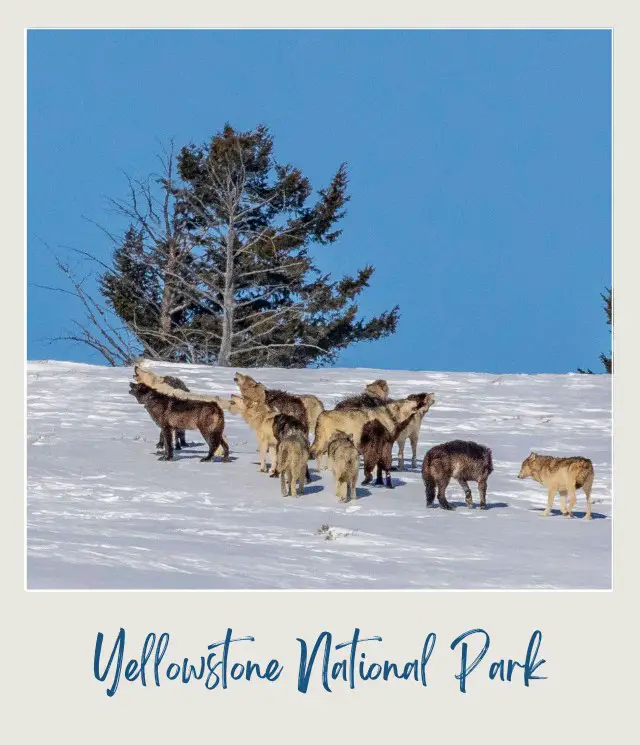
Rewilding is not just a fancy buzzword; it’s a revolutionary approach to conservation that aims to restore natural processes and core wilderness areas. Imagine bison roaming freely in Yellowstone, reviving the ecosystem balance.
These initiatives often include the reintroduction of native species, which play a crucial role in maintaining the health of an ecological region. Think of it as giving Mother Nature her mojo back!
One such project in North America successfully reintroduced wolves, resulting in a cascade of ecological benefits, from increased biodiversity to healthier river systems.
Example: Yellowstone National Park, Wyoming/Montana/Idaho
Yellowstone is a leader in rewilding efforts, notably with the reintroduction of wolves in the 1990s. This initiative has led to numerous ecological benefits, including increased biodiversity and healthier river systems.
2. Protecting Endangered Species

Many national parks are last refuges for endangered species clinging to survival against all odds. It’s like Jurassic Park, without the dangerous dinosaurs!
Take the California Condor, whose population has been nurtured from the brink of extinction thanks to intensive conservation efforts. Parks serve as sanctuaries where these majestic creatures can soar safely again.
Such projects often involve close collaboration with scientists who monitor animal health and breeding, ensuring these species have a fighting chance.
Example: Pinnacles National Park, California
Pinnacles National Park is a key site for the recovery of the California Condor. Intensive conservation efforts, including captive breeding and monitoring, have helped bring this majestic bird back from the brink of extinction.
3. Fostering Community Involvement
Conservation isn’t just for scientists and park rangers; it’s a community affair. Imagine camping trips doubling as conservation weekends where you can participate in clean-up drives or wildlife surveys.
Parks today are engaging local communities and visitors alike, empowering them through volunteer programs and educational workshops. Who wouldn’t want to swap Netflix for a nature documentary starring, well, yourself?
This grassroots approach not only aids conservation efforts but also nurtures the next generation of eco-enthusiasts and advocates.
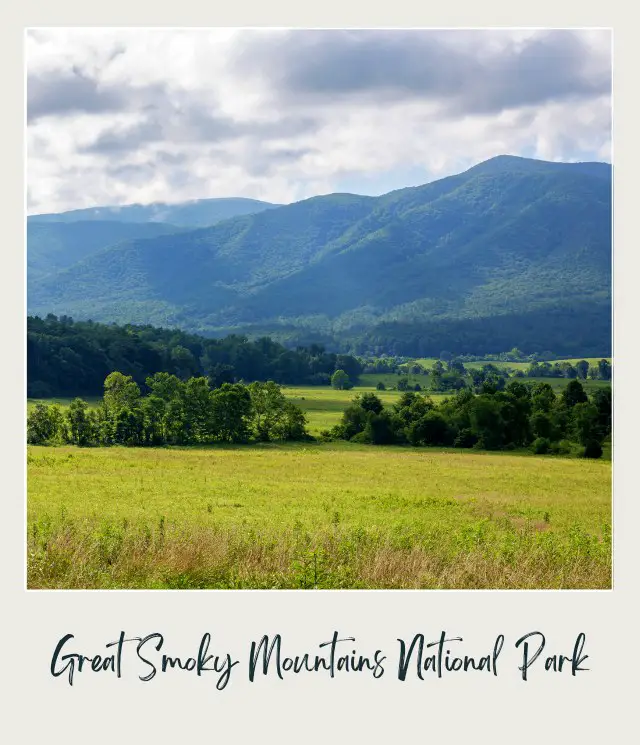
Example: Great Smoky Mountains National Park, Tennessee/North Carolina
Great Smoky Mountains National Park actively engages local communities and visitors through volunteer programs and educational workshops. These initiatives help with trail maintenance, wildlife surveys, and clean-up drives, fostering a sense of community involvement in conservation.
4. Employing Cutting-Edge Technology
Conservation now involves drones, AI, and satellite imagery. Sounds like we’re prepping for an epic sci-fi movie, right? Instead, we’re harnessing tech to safeguard natural wonders.
Drones, for instance, are used to track wildlife movements and monitor hard-to-reach areas, providing invaluable data without disturbing habitats.
This integration of technology enables precise and extensive conservation work, ensuring that strategies are data-driven and effective, kind of like giving the old-world charm of parks a new-world upgrade.
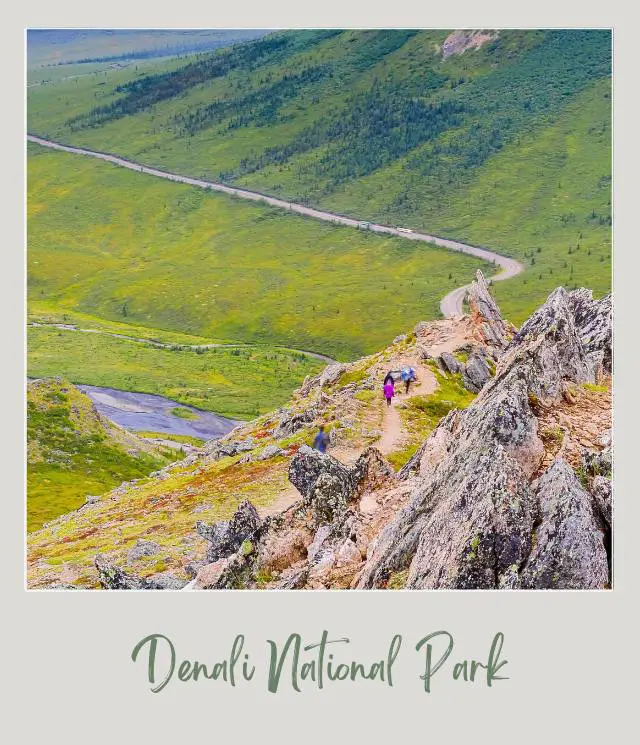
Example: Denali National Park, Alaska
Denali National Park uses drones and satellite imagery to track wildlife movements and monitor remote areas. This technology provides invaluable data for conservation strategies without disturbing natural habitats.
5. Restoring Invaded Landscapes
Our national parks aren’t just wide open spaces; they’re complex ecological systems vulnerable to invasive species, which are basically the bullies of the ecosystem playground.
Tackling these invaders often means extensive eradication programs followed by restoration projects. Think of it as a detox, followed by a green smoothie diet!
These efforts ensure that native plants and animals can reclaim their natural homes, resulting in healthier, more resilient ecosystems for everyone to enjoy.
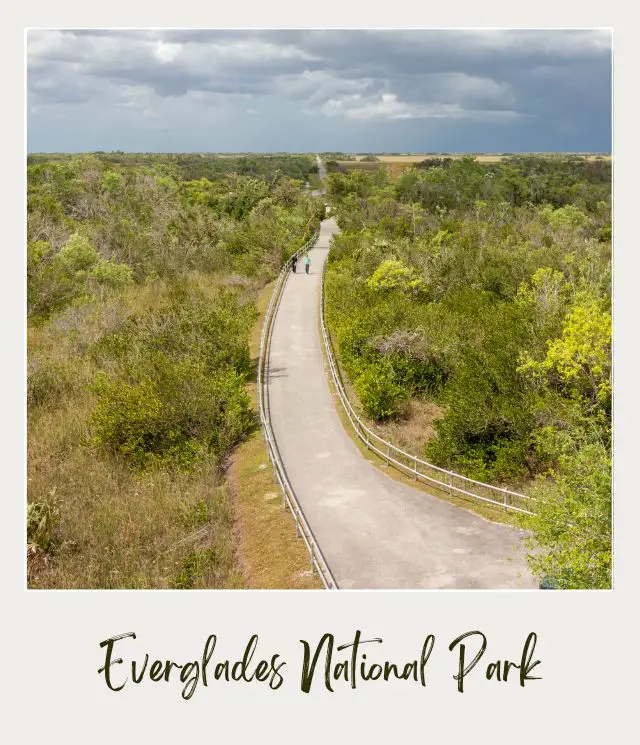
Example: Everglades National Park, Florida
Everglades National Park is working to eradicate invasive species like the Burmese python. Extensive eradication programs and restoration projects aim to protect native flora and fauna, ensuring a healthier ecosystem.
6. Educational Outreach and Awareness
Education is crucial for fostering a conservation ethos. National parks are increasingly focusing on outreach programs to build awareness and inspire action.
By offering guided tours and interactive exhibits, parks transform visitors into informed advocates. It’s like getting a PhD in Earth while having fun, packed with visual aids!
This educational outreach ensures that conservation topics remain part of public discourse, seeding hope and knowledge with every visit.
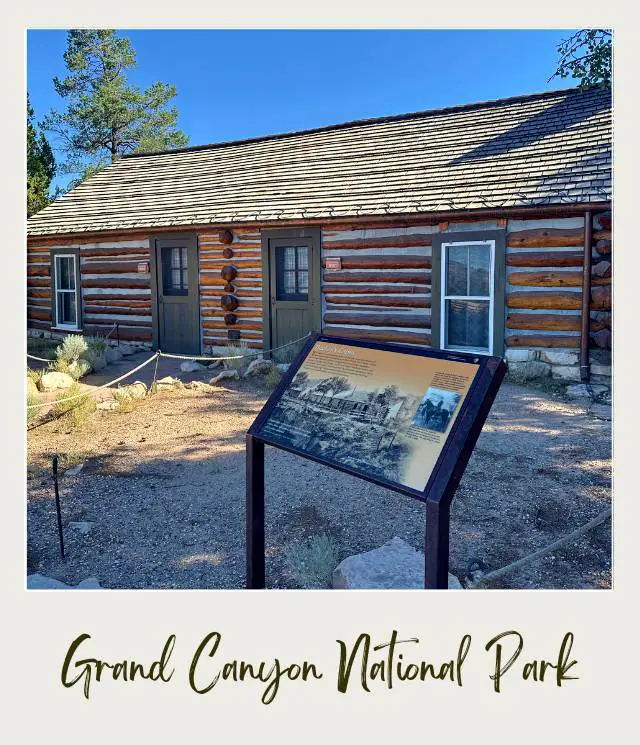
Example: Grand Canyon National Park, Arizona
Grand Canyon National Park offers guided tours, ranger-led programs, and interactive exhibits to educate visitors about conservation. These initiatives transform visitors into informed advocates for the environment.
7. Utilizing Sustainable Practices
As guardians of vast tracts of wilderness, national parks also spearhead sustainable practices. They’ve become the eco-trailblazers of our age.
From solar-powered facilities to waste reduction initiatives, parks are proving that sustainability and conservation go hand in hand like peanut butter and jelly in a sustainable, zero-waste sandwich.
These efforts not only reduce the environmental footprint of park operations but also serve as models for sustainable practices that visitors can implement in their own lives.
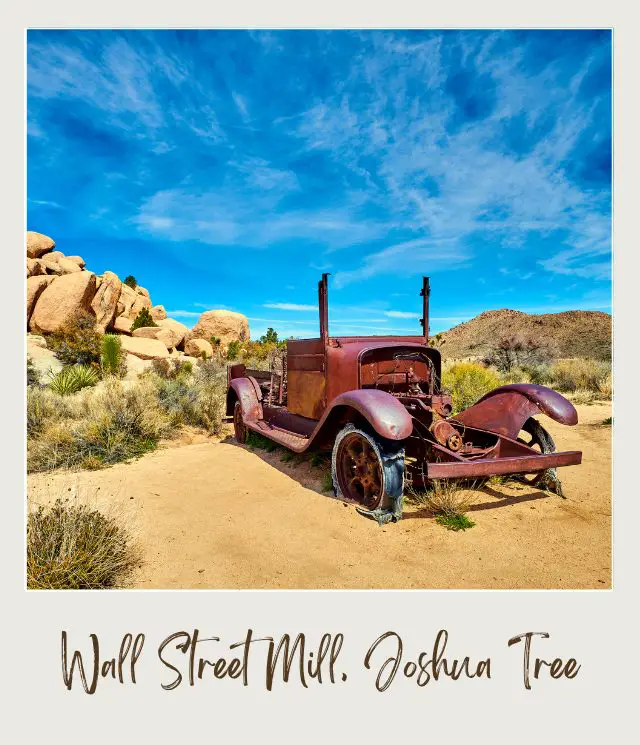
Example: Joshua Tree National Park, California
Joshua Tree National Park is a pioneer in sustainable practices, with solar-powered facilities and waste reduction initiatives. These efforts reduce the park’s environmental footprint and serve as models for visitors to implement in their own lives.
8. Managing Visitor Impact
With the influx of visitors eager to capture Instagram-worthy shots, managing human impact on these sacred lands becomes imperative.
National parks are implementing measures like crowd control strategies, eco-friendly infrastructures, and Leave No Trace programs—all designed to minimize ecological disruption.
By managing visitor activities effectively, parks ensure that natural beauty remains undisturbed so that future generations have the same awe-inspiring experiences.
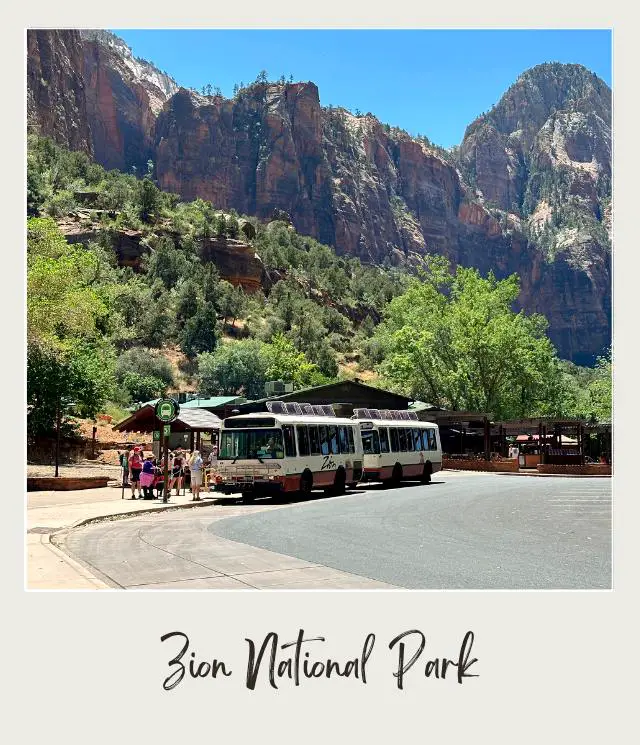
Example: Zion National Park, Utah
Zion National Park has implemented measures like a shuttle system, eco-friendly infrastructure, and Leave No Trace programs to manage the impact of its high visitor numbers. These initiatives help preserve the park’s natural beauty for future generations.
9. Reviving Traditional Ecological Knowledge
Reviving Traditional Ecological Knowledge (TEK) is about more than nostalgia; it’s about harnessing age-old wisdom to create sustainable solutions.
Many national parks are collaborating with indigenous communities, respecting and incorporating their forest management practices, which are often more sustainable than modern methods.
By integrating TEK with modern science, parks achieve innovative conservation strategies that honor cultural histories while protecting natural heritage.
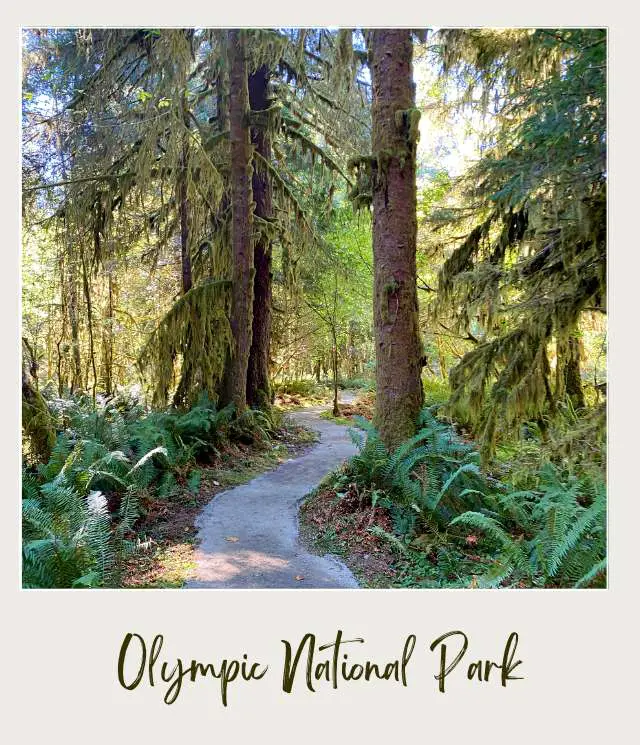
Example: Olympic National Park, Washington
Olympic National Park collaborates with indigenous communities to incorporate Traditional Ecological Knowledge (TEK) into its conservation strategies. This partnership honors cultural histories while protecting natural heritage.
10. Innovative Wildlife Corridors

Wildlife corridors are essential to connecting fragmented habitats, allowing animals safe passage across human-impacted landscapes. Picture it like nature’s highway system.
These corridors provide crucial links between protected areas, enabling species not just to survive, but to thrive by accessing more resources and potential mates.
Innovative designs are tailored for specific species, ensuring functionality while blending seamlessly into the landscape, showing that creativity is an ally of conservation.
Example: Rocky Mountain National Park, Colorado
Rocky Mountain National Park is developing wildlife corridors to connect fragmented habitats. These corridors allow animals safe passage across human-impacted landscapes, ensuring they can access more resources and potential mates.
11. Addressing Climate Change’s Impact
Climate change is reshaping our natural landscapes, and national parks stand on the front lines, adapting and reacting to new challenges.
From wildfires to altered water cycles, parks are addressing these impacts by developing adaptive management strategies to protect both ecosystems and visitor experiences.
These efforts showcase resilience and forward-thinking, ensuring that even in the face of global challenges, these natural havens continue to flourish.
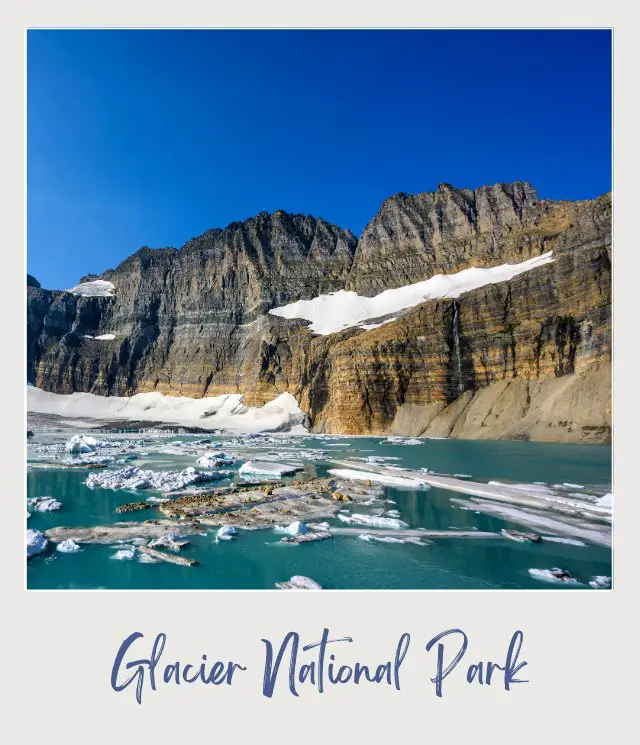
Example: Glacier National Park, Montana
Glacier National Park is on the front lines of addressing climate change, with strategies to adapt to altered water cycles and increased wildfire risks. These efforts aim to protect both ecosystems and visitor experiences in the face of global challenges.
12. Promoting Eco-tourism

Eco-tourism is more than just a trend; it’s a sustainable way to explore natural wonders while supporting conservation efforts. Imagine vacationing with purpose!
National parks are offering eco-friendly accommodations and experiences that leave minimal footprints, ensuring tourism supports rather than depletes park resources.
These initiatives are perfect for those who want to travel responsibly and help preserve the wonders they’re so eager to experience.
Example: Haleakalā National Park, Hawaii
Haleakalā National Park promotes eco-tourism by offering eco-friendly accommodations and experiences. These initiatives ensure that tourism supports conservation efforts, allowing visitors to explore responsibly while helping preserve the park’s natural wonders.
Reflection on the Future of Parks
As we look to the future, our collective efforts will determine whether national parks remain sanctuaries of natural beauty or storybooks of lost grandeur.
By continuing to innovate, educate, and collaborate, we can ensure that these treasures are preserved and thrive for generations to come.
So, the next time you visit, remember you’re part of a legacy—every step leaves an imprint both on the path and in the fabric of conservation history.
Your visit matters. Each visit supports the vital work being done, reinforcing the importance of preserving these landscapes.’
By staying informed and engaged, you’re not just a visitor; you’re an advocate for the natural world, weaving your chapter into a timeless story.’
Subscribe to daily national parks planning tips, travel inspiration and trip ideas and I’ll send you a free PDF of this Guide:
12 Secret Conservation Projects Shaping Our National Parks
Do you know any other conservation work happening in the US national parks? I’d love to hear about them. Join my private Facebook group National Parks Collectors and comment and let me know (you can also pick up extra planning tips, share your photos and stories with other national park lovers and more).
If you liked this article, please share the love and Pin It to your National Parks board!
💡 Are you just starting to think about taking a National Parks trip? Get Inspiration
‼️ Do you need tips and additional information? Read a selection of tips for visiting US national parks
💻 Are you starting to plan a trip to a national park? Read my free guides
📋 Do you need an itinerary? Buy a detailed itinerary for your park
💲 Are you ready to book your trip? Use these Planning and Booking Resources
📖 Do you want to read a book about US national parks? Check out my Recommended Reading Lists
About the Author
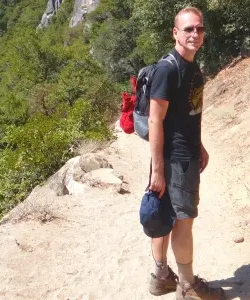
James Ian is a national park, camping and hiking expert.
He has dedicated his life to travel, visiting more than 80 countries, all 7 continents and most of the national parks in the United States. With over 35 years experience in the travel industry, James has worked on cruise ships, at resorts and hotels, and as a travel planner who’s helped hundreds of people plan successful trips to US national parks.
Based on his experience visiting our national parks multiple times, in-depth research and expertise as a travel planner, James has published detailed itineraries for many of the major national parks in the US. These itineraries, as well as in-depth park guides, and other resources will help you have your own incredible trip to US national parks without stress and hassle.
As a national park expert, James has contributed to many publications, including USA Today, Newsweek, Time Business News, Savoteur, Best Trip, and Wired.
I’m a member of the Amazon Services LLC Associates Program. As an Amazon Associate I earn from qualifying purchases.